The Tour du Mont Blanc is one of Europe's great walks, and in July it is also one of its great queues: hundreds of walkers a day on the same narrow trail, huts booked out for months. The route itself is not the problem. A week-long circuit of Mont Blanc on foot, crossing France, Italy and Switzerland, is extraordinary when you get the details right. The fix is boring and effective: choose the dates, book the huts, and take the detours.
Dates: the shoulder season
The TMB's official season runs June to September, and the trail's worst weeks are mid-July to mid-August, when every hut is full and the path is a single-file convoy. Late June and the first half of September are the sweet spots: snow mostly clear, huts open, and the crowds down to a fraction. In September you trade a little warmth for quiet valleys and the autumn colours on the larch trees. The Col des Fours is usually walkable from late June; if you go earlier, check the snow report before committing.
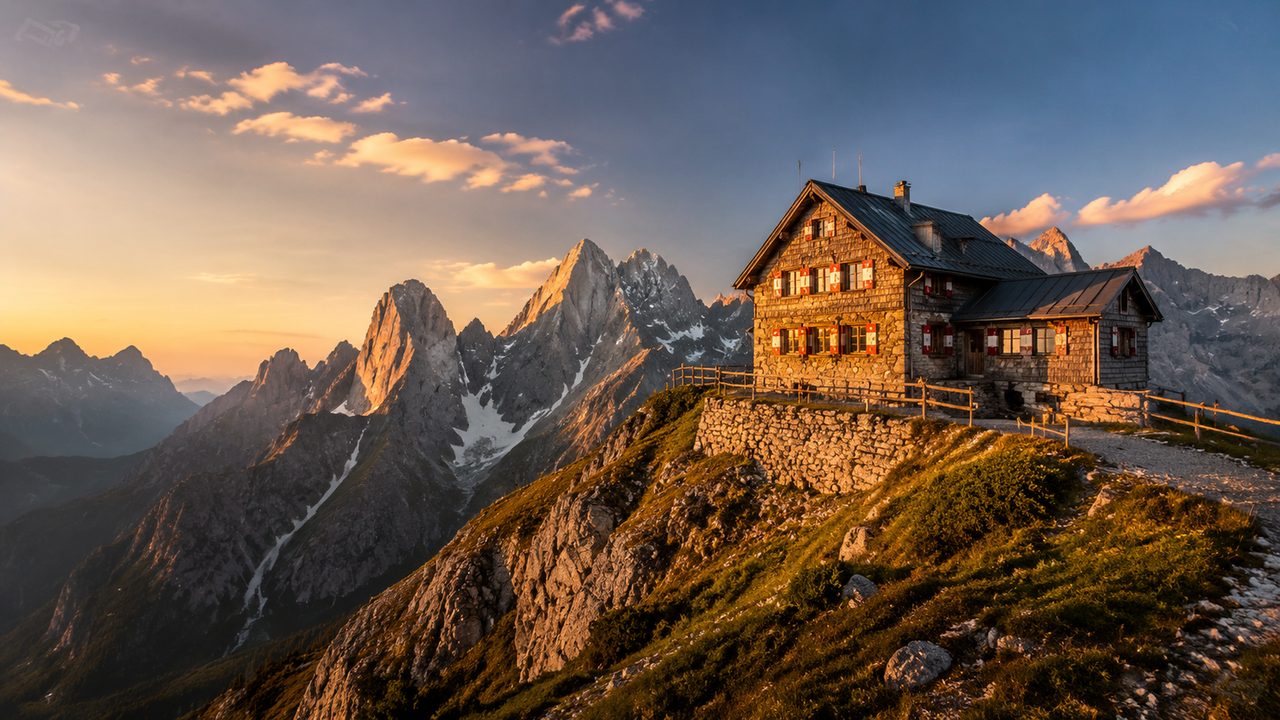
Book huts, not packages
You do not need an organised group or a guiding company. The TMB's refuges take direct bookings by email or phone, and most are open from June into September. Book every night in advance in season; walk in on the day and you risk a long detour to the valley. Half board — dinner, bed and breakfast — runs roughly 60–80 EUR per night. In September, many huts drop prices or offer midweek discounts. Ask for a packed lunch the night before; the trail-side options are scarce.
The high detours
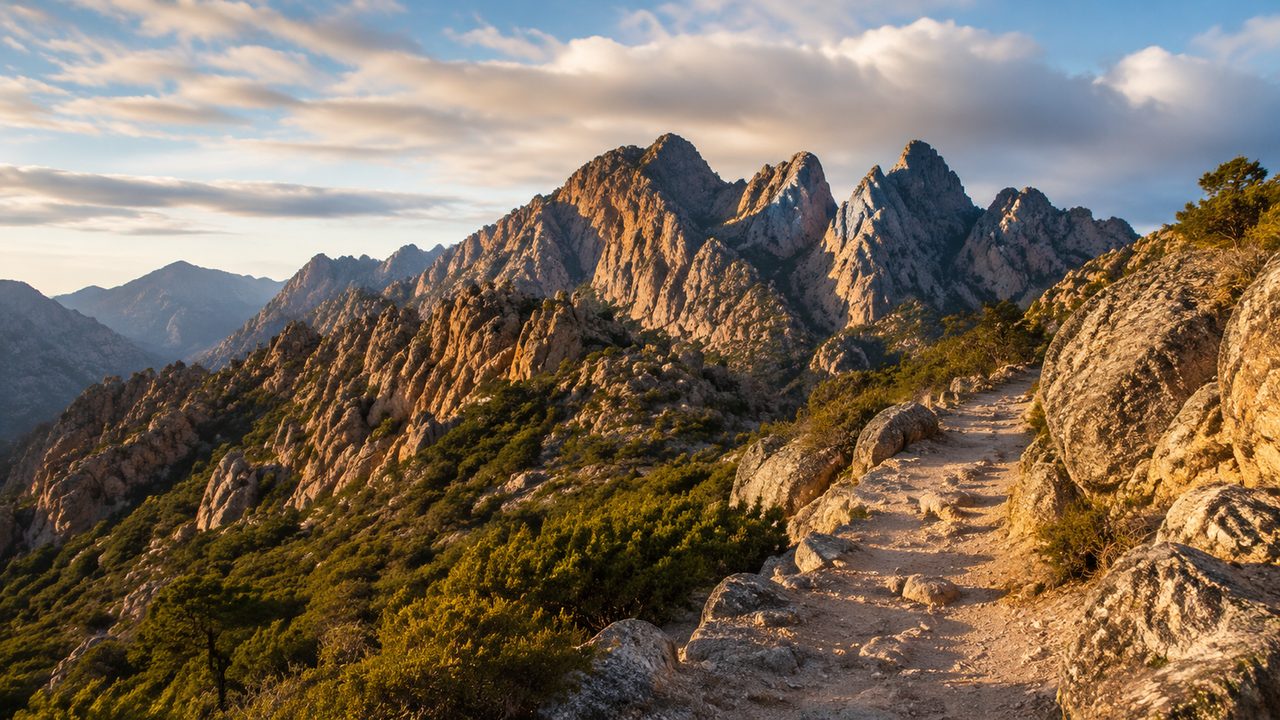
Two variations dodge the worst congestion. The first is the Col des Fours variant, which climbs over a high pass between Les Chapieux and Les Contamines instead of the standard valley route — rougher, wilder and often nearly empty. The second is the Fenêtre d'Arpette on the Swiss side, a steep scree pass with a lake at the top that most walkers skip in favour of the low road into Champex. Both add elevation and remove crowds. Do one of them and the TMB suddenly feels like the walk it was twenty years ago.
Direction and daily distance
Most walkers go clockwise from Chamonix, the classic direction; going counter-clockwise is legal, quieter and flips the big climbs. Stages of 15–20 kilometres with 800–1,200 metres of climbing are normal. The long, stiff day over the Grand Col Ferret between Italy and Switzerland is the one to plan around: it is the highest sustained ground on the circuit and the weather turns fastest there. Decide each morning based on the forecast, not the itinerary in the guidebook.
What the circuit asks of your pack
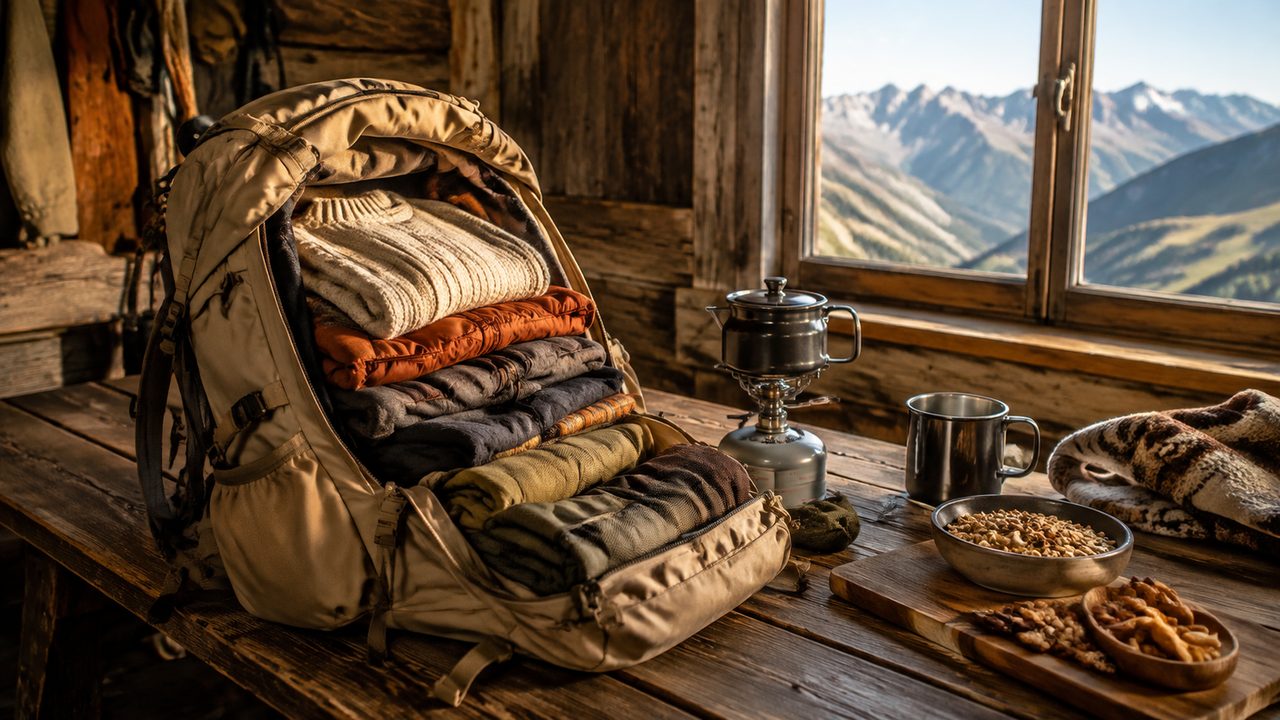
Because huts do the heavy lifting, you can carry a daypack-sized load: a sleeping bag liner, a change of clothes, rain gear and a power bank. The one serious gap in the hut system is lunch and snacks — stock up in Chamonix, Courmayeur and Champex. Trekking poles earn their place on the descents. Boots or sturdy trail shoes both work; the route is well graded, but the descents are long and loose in places. And carry a small bottle of something celebratory: the views from the Col des Fours at breakfast are worth a toast.
When it is not for you
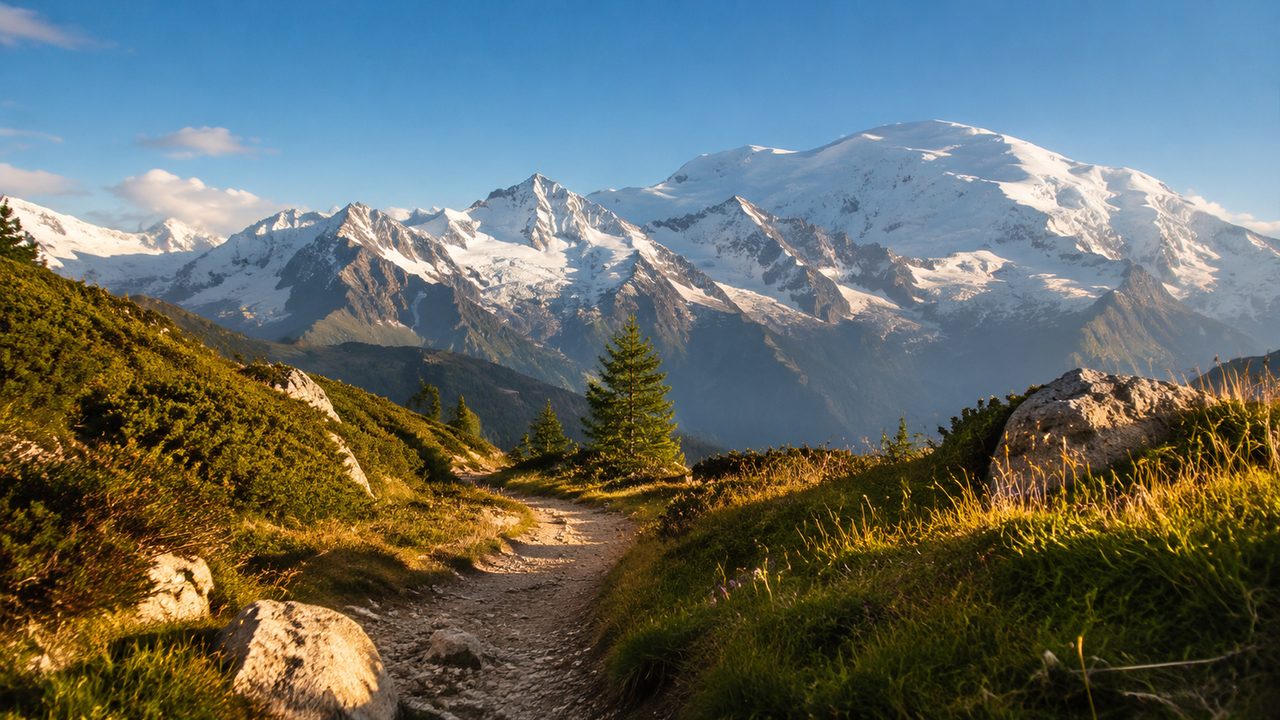
If you want solitude, the TMB is not the place to find it, even in September — it is a circuit of a famous mountain, and people will be there. For genuinely quiet alpine walking, the hut routes of the Swiss Alps offer similar terrain with a fraction of the footfall. But if you want a first-class mountain week with hot food, a beer at the end of the day and views of Mont Blanc from three countries, the TMB — done on your terms — delivers.