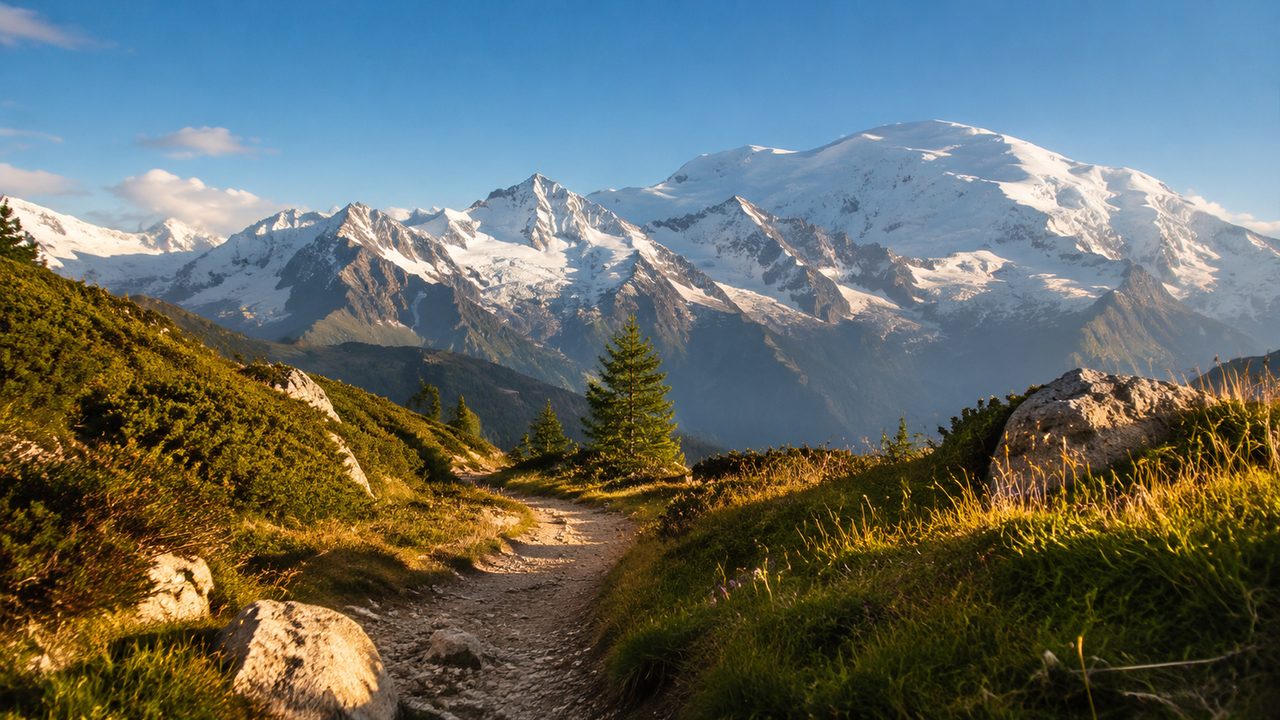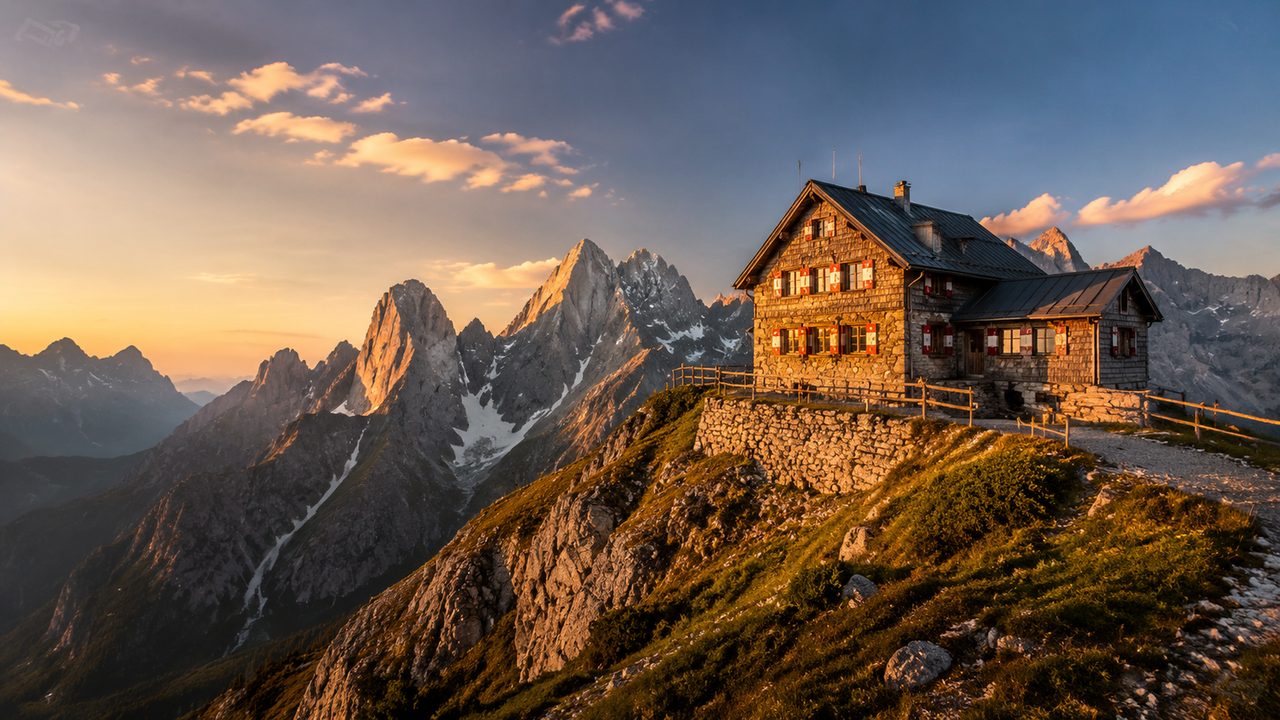
Switzerland has about 1,500 mountain huts, and the Swiss Alpine Club (SAC) runs more than 150 of them, most staffed and serving dinner. The system is the reason Swiss hut-to-hut walking feels effortless: you carry a daypack, walk between huts on marked trails, and sleep at altitude without a tent. It takes a little understanding — prices, bookings, etiquette — but once it clicks, the whole country's ridge lines are available.
How the system works
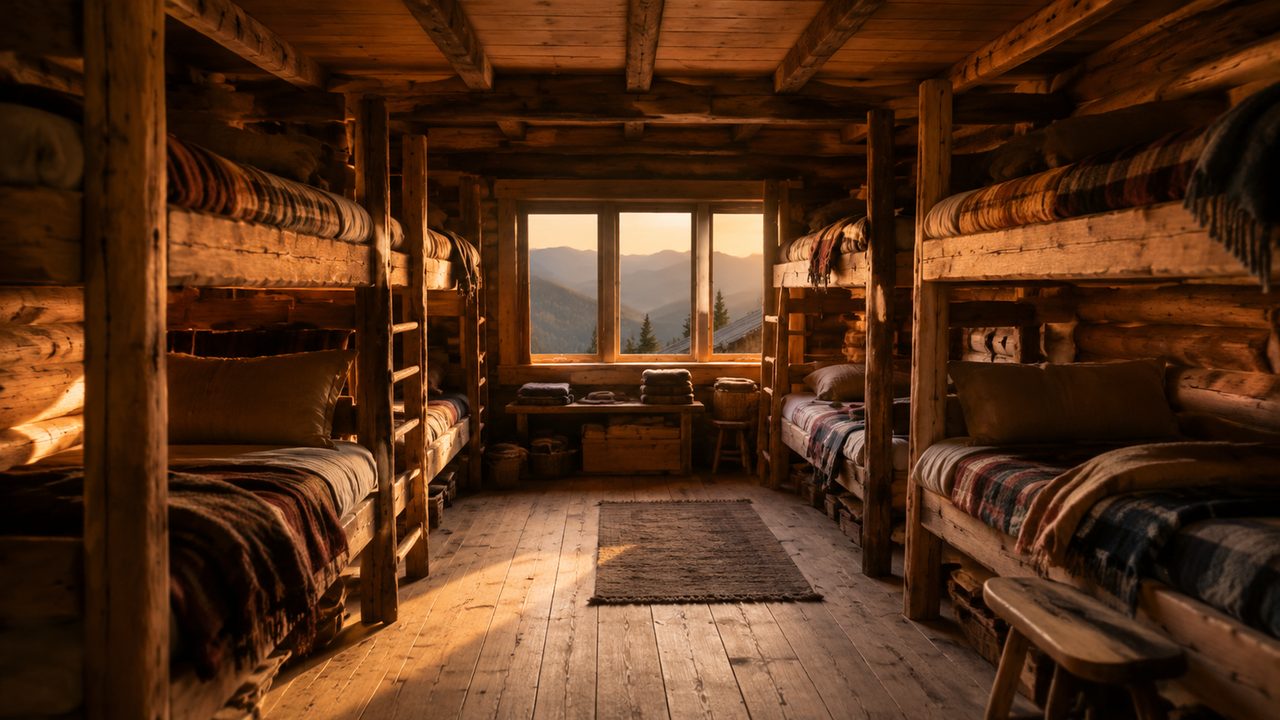
Most SAC huts sit a long day's walk from the valley, are staffed in summer, and offer a dormitory bed, dinner and breakfast. You book by phone or online, walk in, and stamp your route log. The huts are categorised by difficulty: the classic hut-to-hut trails connect T2–T4 huts, meaning straightforward walking on marked paths up to exposed rocky ground. The key habit is booking: in July and August, weekend nights fill weeks ahead, and some huts only accept members first.
Prices, membership and half-board
A night in an SAC hut costs roughly 35–55 CHF for members and 50–75 CHF for non-members, with dinner — a three-course, honest mountain meal — around 20–25 CHF extra. SAC membership, about 90 CHF a year, pays for itself in a week and supports the huts' maintenance. The full-board combo of bed, dinner and breakfast is the normal way to do a multi-day walk: you arrive, eat, sleep, and leave with a packed lunch if you order it. Cash is still king in the smaller huts; carry enough francs for the week.
What to pack for a hut
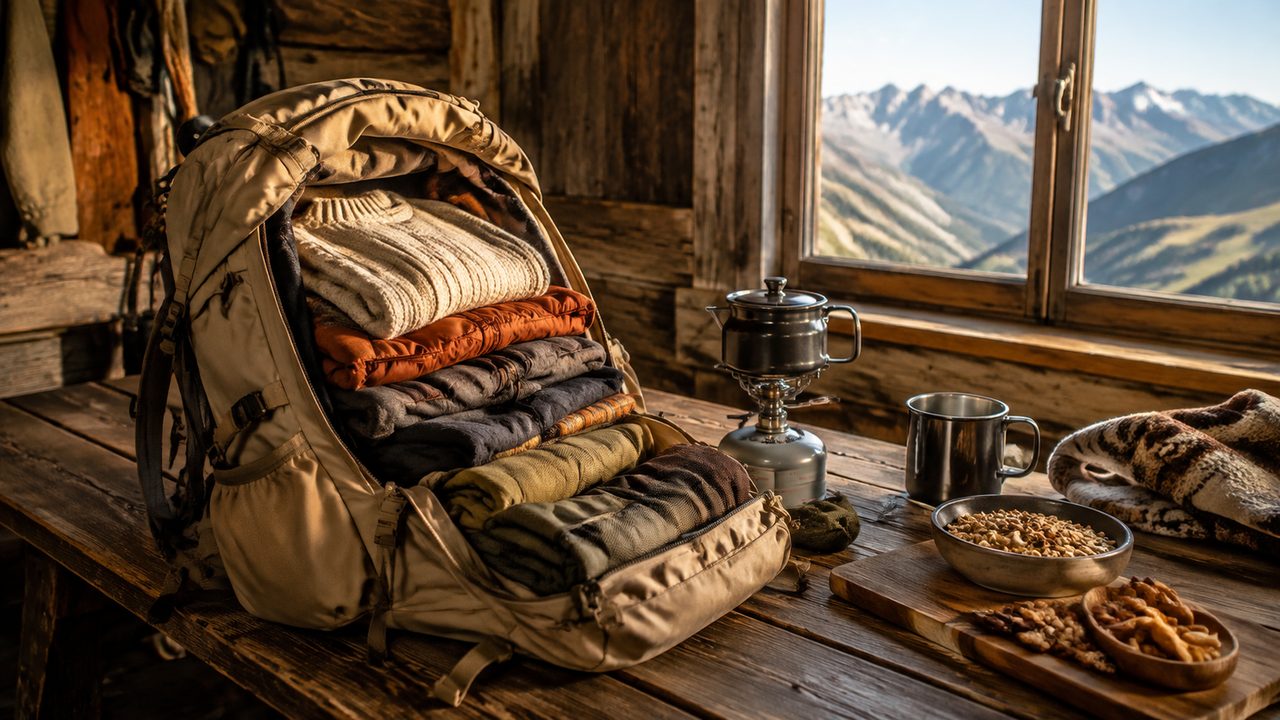
The hut provides blankets and pillows but expects a sleeping bag liner (most sell them at the counter) and a towel. You carry everything else: a change of clothes, a warm layer, rain gear, a headlamp (mandatory — huts go dark at ten), and slippers or hut shoes. Food is mostly provided, so your pack stays light — the reason hut walking is the best way to see big mountains without carrying camping gear. Earplugs are the most underrated item in hut walking; dormitories snore.
Starter route one: Schynige Platte to First
The Bernese Oberland classic runs Schynige Platte to Faulhorn to First, sleeping at the historic Faulhorn hut (2,681 m). Day one takes the mountain railway from Interlaken up to Schynige Platte, then walks the ridge to Faulhorn in about three hours. Day two drops to First and, if the weather holds, continues over the Bachalpsee to Grindelwald. The views of the Eiger, Mönch and Jungfrau are the whole point, and the graded path is straightforward walking. Book the Faulhorn hut in advance and reserve the window seat.
Starter route two: the Europaweg above Zermatt
The Europaweg runs from Grächen to Zermatt on the opposite side of the valley from the Matterhorn, and it is the easiest way to walk with the mountain in view all day. The route is often walked in three days with nights at the Europa hut and the Fluhalp. Sections involve fixed cables on exposed ground — the famous Charles Kuonen suspension bridge crosses a gorge at 85 metres above the valley floor — so it suits walkers comfortable with exposure. The reward: two days of Matterhorn views without climbing a single peak.
When to go and how to stay safe
The hut season runs roughly mid-June to early October, with lower huts opening earlier and high ones dependent on snow. September is the calm month: huts easier to book, weather more settled, larches turning. Always check the weather twice — the SAC weather service is the standard — and remember that afternoon thunderstorms are the classic Swiss risk; start early and be off the high ground by 3 p.m. The huts' wardens are the best source of route advice in the country, and they will tell you honestly when to turn back.