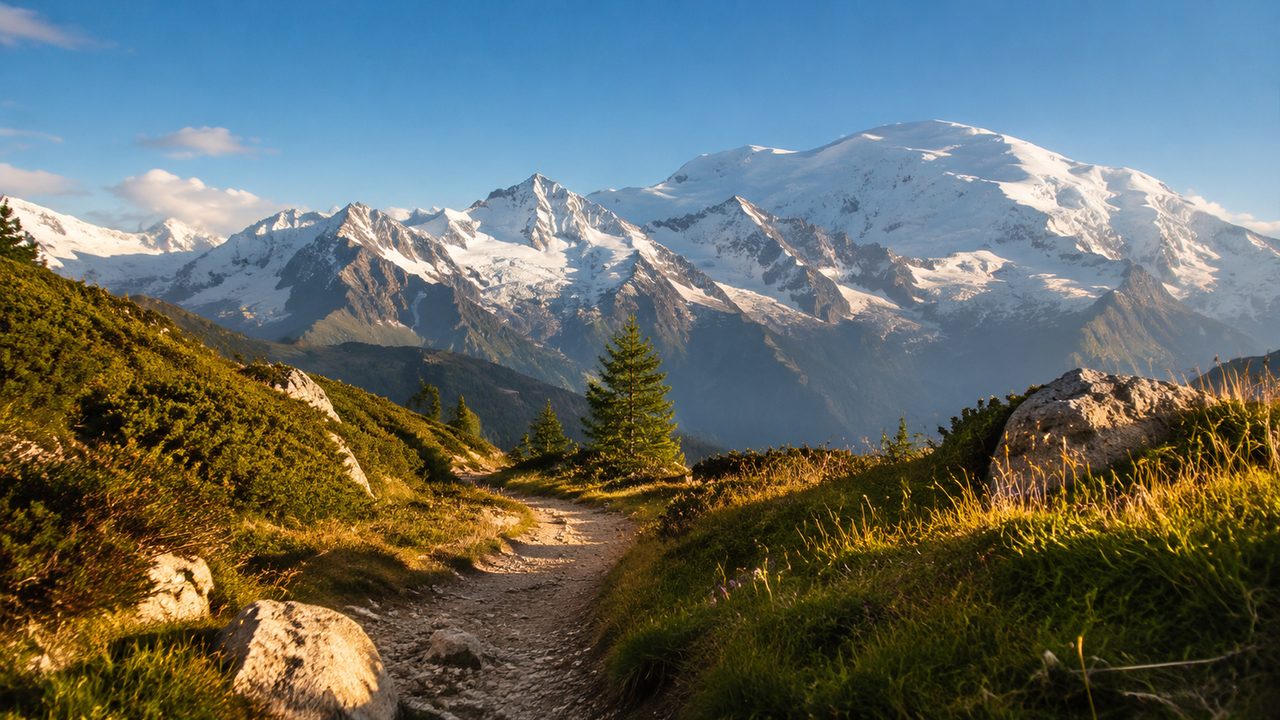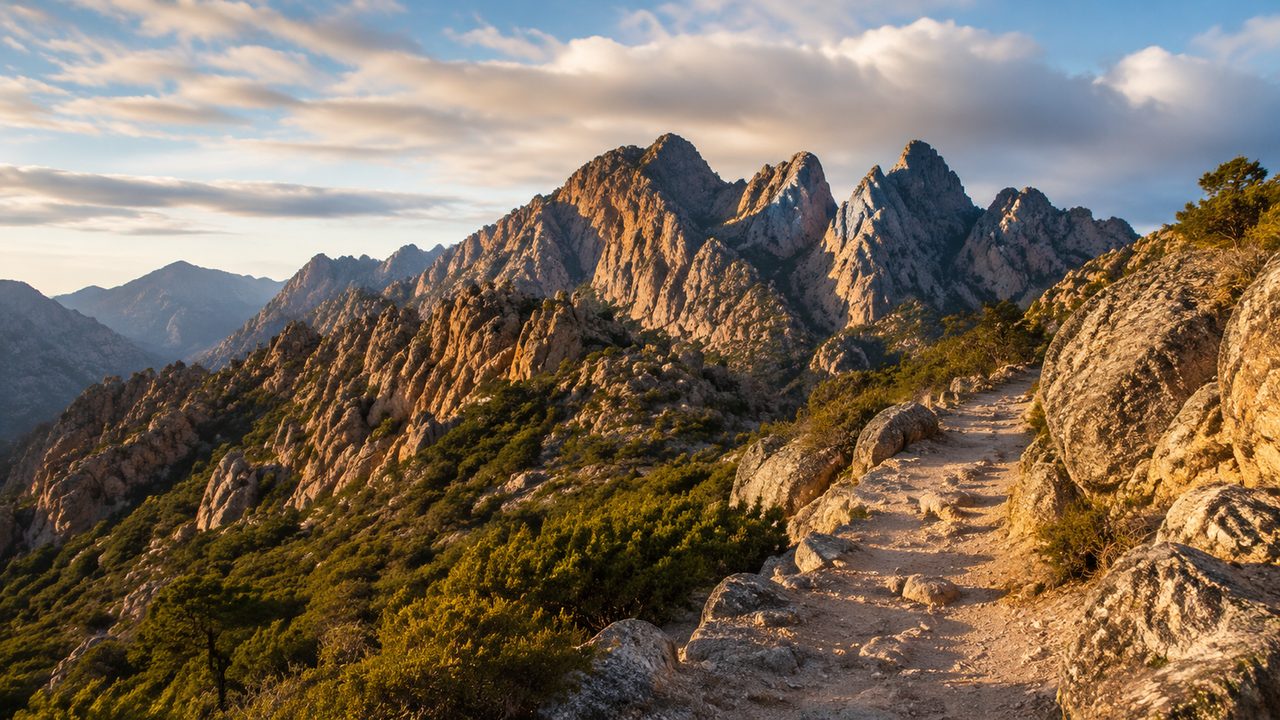
The GR20 crosses Corsica diagonally, from Calenzana on the northwest coast to Conca on the southeast, and it packs more vertical drama into 180 kilometres (112 miles) than almost any walk in Europe. The route spends most of its length above 1,500 metres, crossing granite cirques, snowfields and passes that still hold patches of white in August. It is a route for fit walkers with a fortnight, and it rewards planning over improvisation.
North and south: two different trails
The classic division is real: the northern half, Calenzana to Vizzavona, is the hard half, with longer rock sections, chains and more climbing per kilometre. The southern half, Vizzavona to Conca, is gentler but still serious, with long forest descents and hot, exposed valleys. Most walkers go north to south, which means you meet the hardest ground while your legs are freshest and the weather is most stable. South to north is possible and slightly harder overall, because the biggest climbs come later.
Refuges, food and the carry
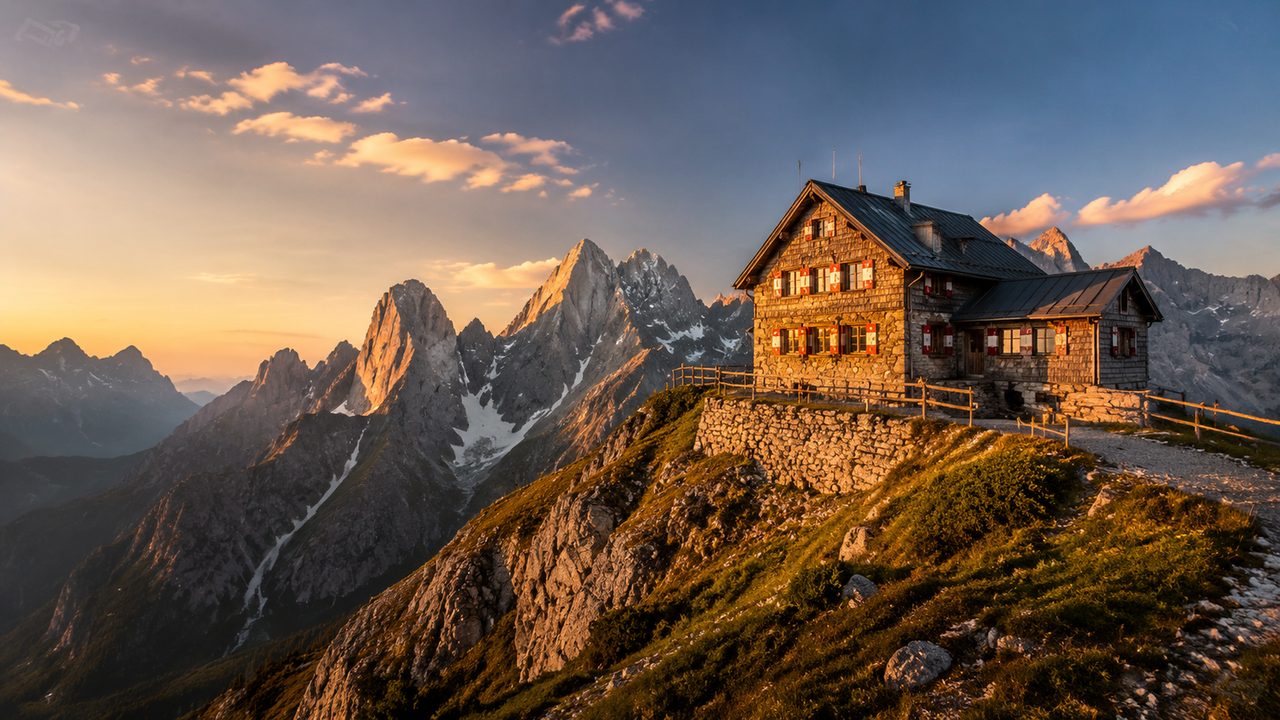
The route is served by about fifteen gardien refuges, each with dormitory bunks, dinner and breakfast, and most with a small shop. The system means you can carry as little as a sleeping bag liner and a change of clothes. Expect to pay around 40–50 EUR for a bunk with half board, and book in July and August — refuges fill days ahead. The alternative is camping near the refuges (some allow it for a small fee) and cooking your own food, which saves money but adds a kilo or two to the pack. Water is the real planning item: springs and streams are marked on the map, and some dry out by late summer.
Timing: snow, heat and midges
The season runs roughly mid-June to late September, with the refuges open from mid-June. Early season means snow on the high passes, and crampons and an ice axe can be genuinely needed into late June. August is reliably dry but hot, and the exposed ridges cook by midday. The sweet spot for most walkers is late June or September: snow mostly gone, heat tolerable, and the refuges a little easier to book. Whatever the month, start early. The GR20's hardest hours are the first ones after breakfast, before the heat builds.
A realistic daily rhythm
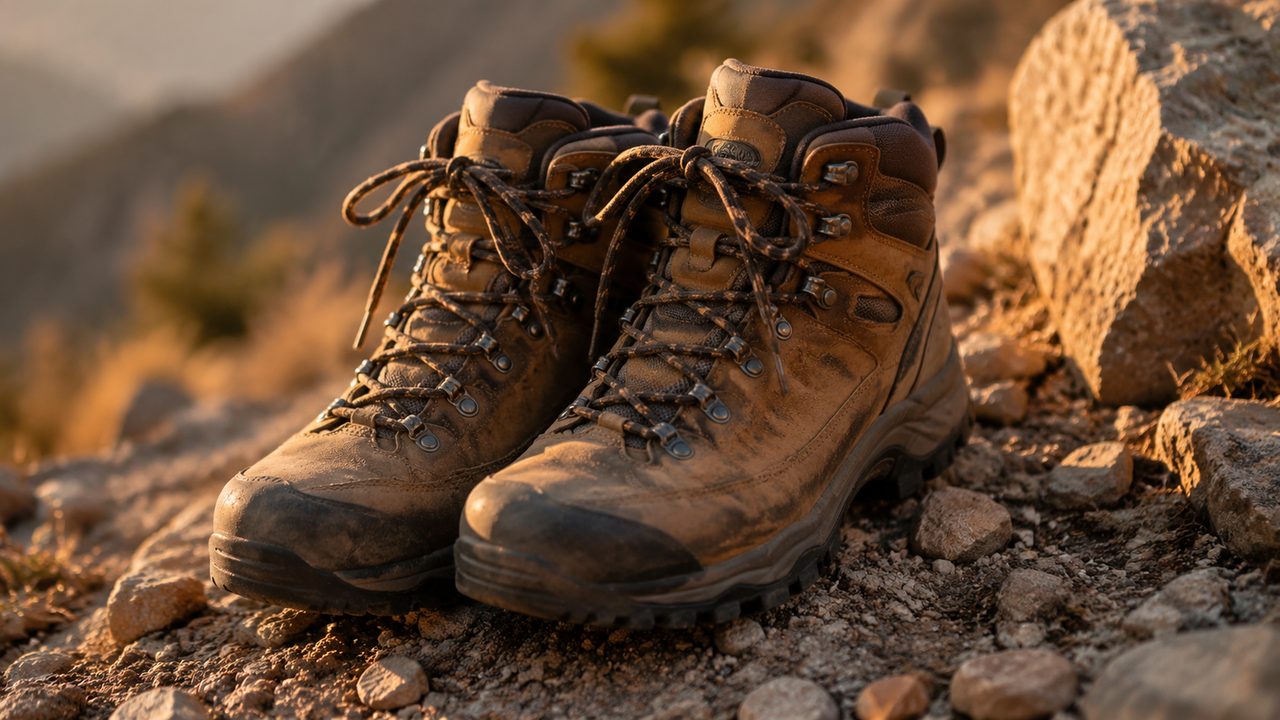
Plan stages of 6–8 hours with 700–1,200 metres of climbing per day, which puts most walkers on a 12-to-14-day schedule. The famous hard days — the Cirque de Solitude, the ridge above Bocca di u Laghiu — are best given a short stage and a light pack. The route is graded T4-adjacent; the chains and exposed slabs demand a head for heights, and the steep descents will punish weak knees. Poles genuinely help on the long downhills. This is a route where the daily rhythm matters more than total distance: stop at the refuge, dry your boots, and let the evening cool decide tomorrow.
Getting there and away
Fly to Bastia or Calvi and take the bus or train to Calenzana; the same services reach Conca from Porto-Vecchio at the end. The walk is linear, so plan the transport at both ends before you book flights. A car is a liability unless you are willing to pay for transfers or return journeys. The GR20 is also walkable in sections — the southern half works well as a one-week trip with a base at Vizzavona — which is how many first-timers fit it around work.
When it goes wrong
The GR20's accidents are mostly falls on rock, twisted ankles on descents and heatstroke in August. Rescue is expensive and slow; European health cover does not automatically cover mountain rescue, so insurance with evacuation is the one non-negotiable. Check the refuge guardians' daily weather advice and believe it. If the mist comes down, the route is well marked with red-and-white paint, but the paint disappears on big rock slabs — carry the topo map and a compass, or a GPS with the track loaded. The GR20 is beautiful because it is exposed, and exposure demands respect.