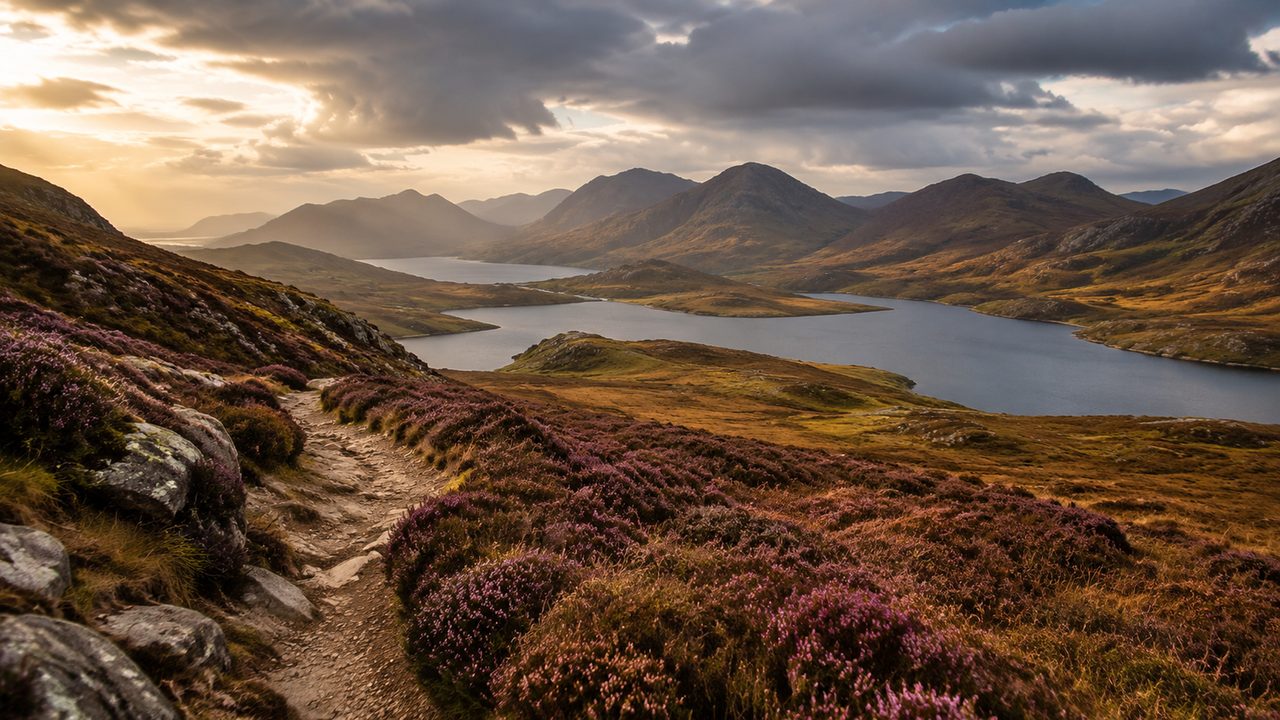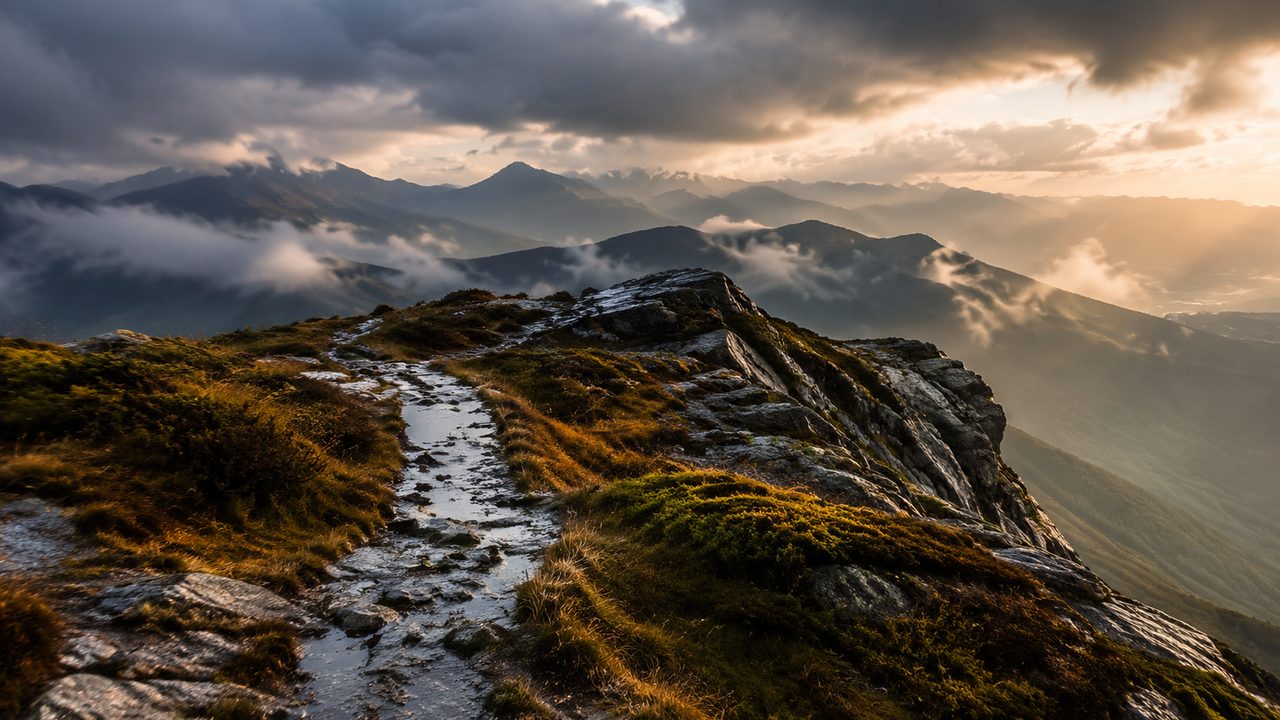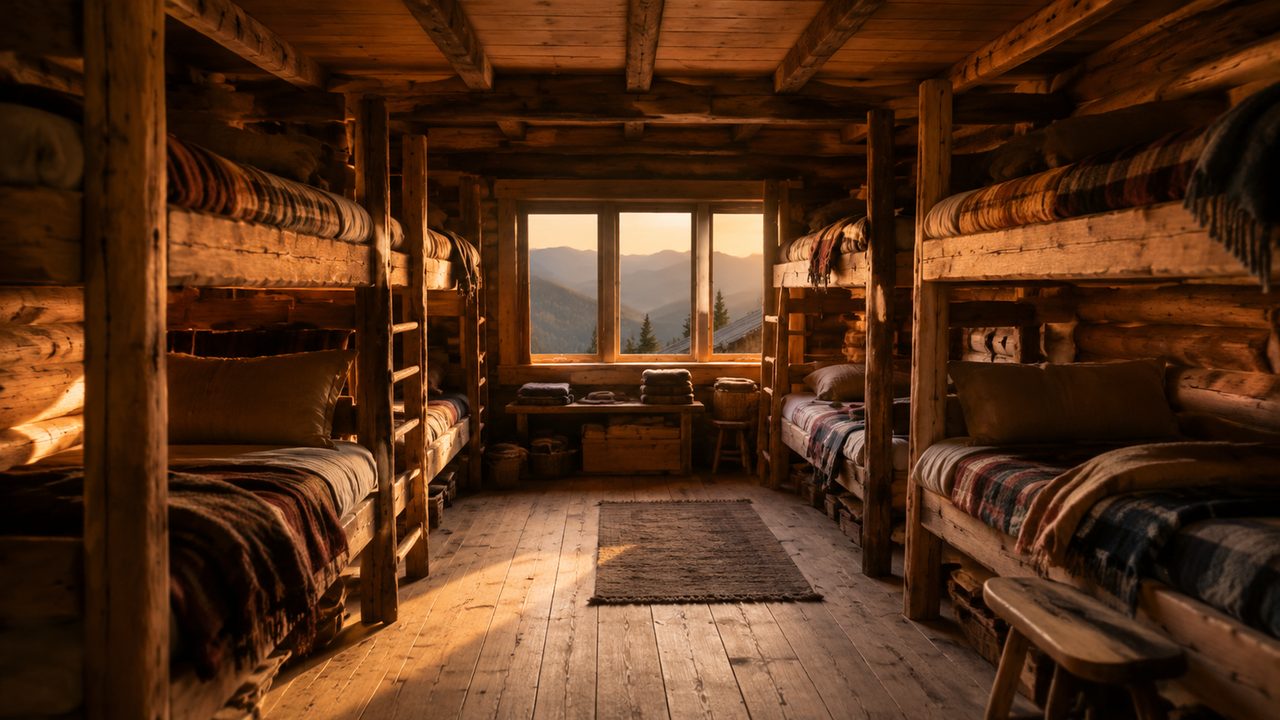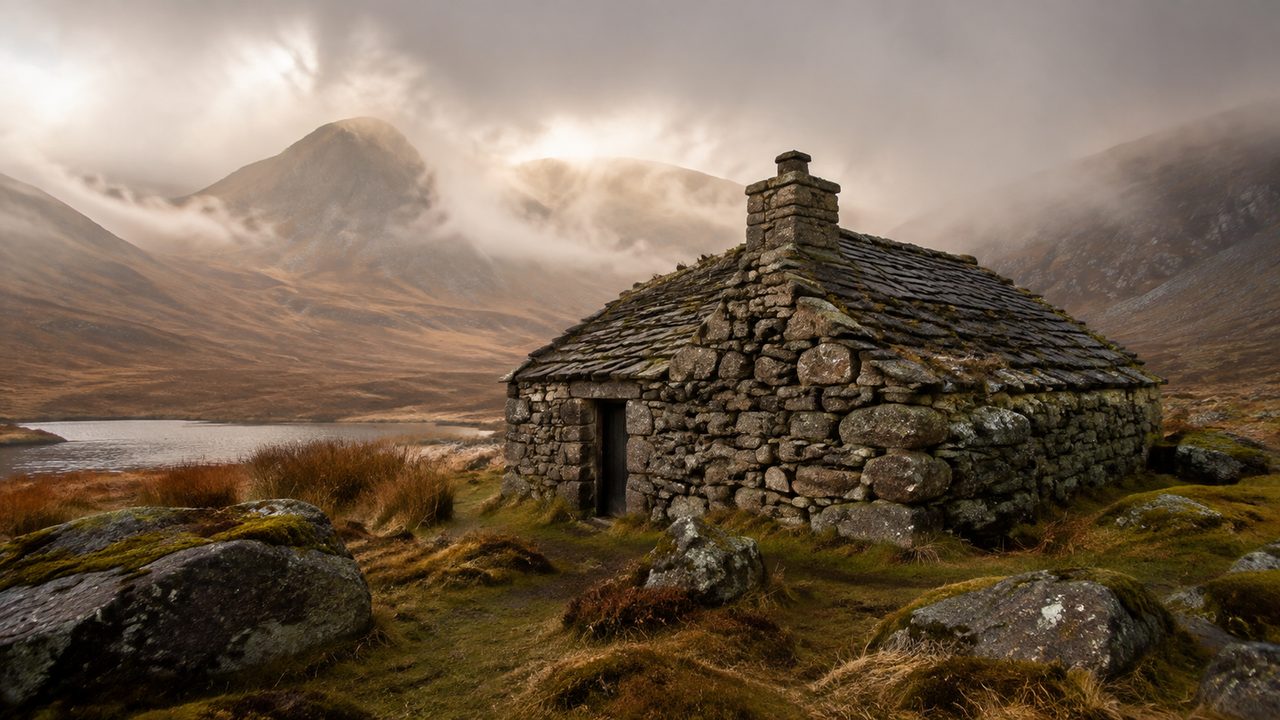
A bothy is a basic, unlocked shelter in the Scottish hills — often an old estate or croft building — maintained by the Mountain Bothies Association and open to anyone, free of charge. There is no warden, no booking and no electricity in most of them; there is a fireplace, a table, a bench and the goodwill of everyone who uses them. Bothy bagging — walking between them — is one of Scotland's great cheap adventures, and it runs entirely on a few unwritten rules.
What a bothy actually is
Bothy comes from the Gaelic for a hut, and the modern ones are mostly stone buildings with a fireplace, a sleeping platform and a water source nearby. There are around a hundred maintained by the MBA, from large estate cottages to two-person windbreaks. They sit in remote glens, usually a half-day's walk from the road, which is the point: a bothy lets you sleep deep in the hills without carrying a tent. Most have a visitors' book, and reading the entries is part of the charm.
Finding them
The MBA publishes a bothy list with grid references, but the standard field reference is the bothy chapter of the OS Landranger maps, which mark them by name. Combine a map with the MBA's current notices for closures and maintenance before setting out. Access is by foot or bike — there is no road to most bothies, and the paths are often rough. A classic starter: walk the section of the West Highland Way that passes near the bothy at Rowchoish, or head for the Cairngorms' Corrour bothy, a two-hour walk from the Linn of Dee car park.
What to carry in and out
The golden rule is that bothies work because everyone carries out what they carry in — including rubbish, which many walkers take a little further than the nearest bin. Bring fuel for the fire (some bothies provide a small pile of wood, but never rely on it), a torch, and your own food and bedding. Water is usually a burn nearby; filter or boil it. Firewood, candles and kindling are often left by previous visitors for the next one; add to the pile if you can, and leave the place at least as clean as you found it.
The unwritten rules
Priority goes to those who have walked furthest, and everyone shares the space — the bothy belongs to whoever is in it at the time. Keep the fire small enough to control and never leave it burning unattended. Use the spade or the designated spot for waste, well away from the water source. If you arrive at night, enter quietly; if you are the only one there, expect company by morning. And leave the bothy exactly as the culture expects: stocked with dry kindling and cleaner than you found it.
When a bothy beats a tent
A bothy shines on stormy nights and short winter days when a tent means hours of wet faff. It also suits trips with a base: leave your big pack, do a day walk without it, return to a fire. The trade-off is that you sleep when the company sleeps, share snoring and smell the woodsmoke all night. In fine summer weather, the tent is often the better choice; a bothy is for winter, for storms and for the days when the midges make camping miserable.
Getting started
Start with a short, well-maintained bothy an easy distance from the road, go with someone who knows the system, and treat the first visit as a reconnaissance. The MBA's website has the full list with access notes; the maps and the bothy tradition reward the prepared. One season of bothy bagging teaches more about Scottish weather — and Scottish hospitality — than a decade of holiday cottages. The price is zero, the conditions are honest, and the welcome is real.