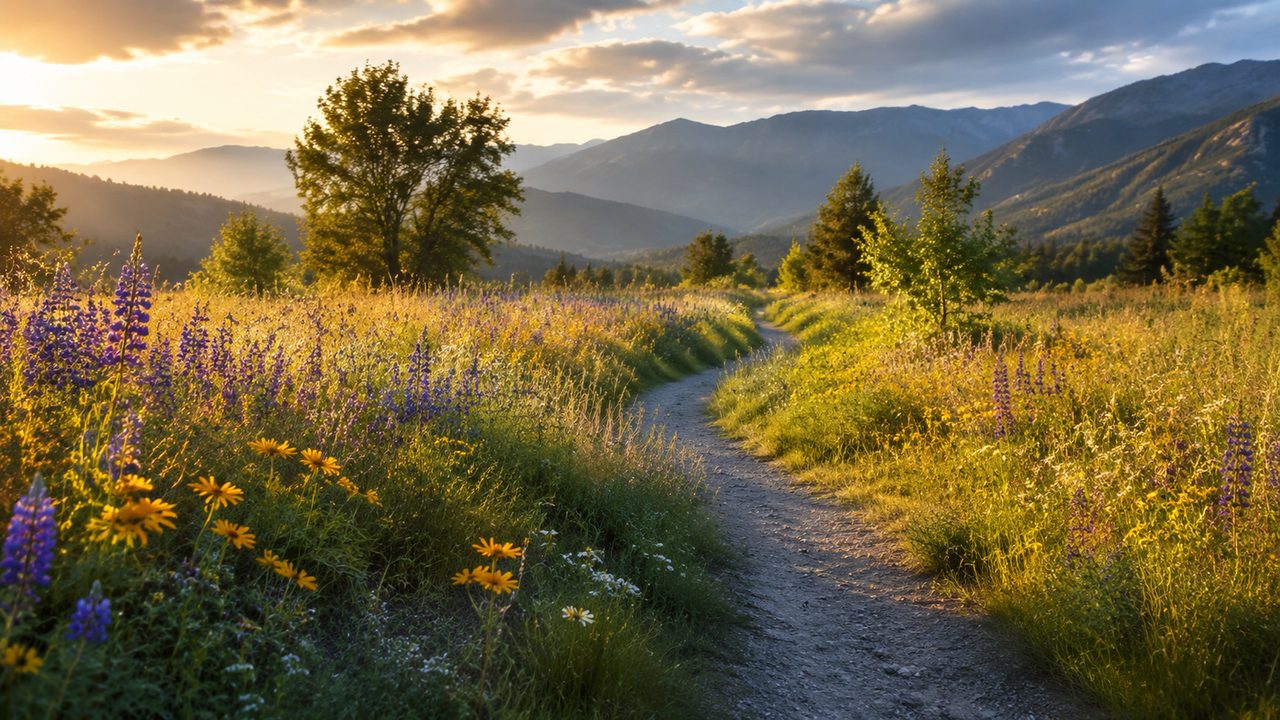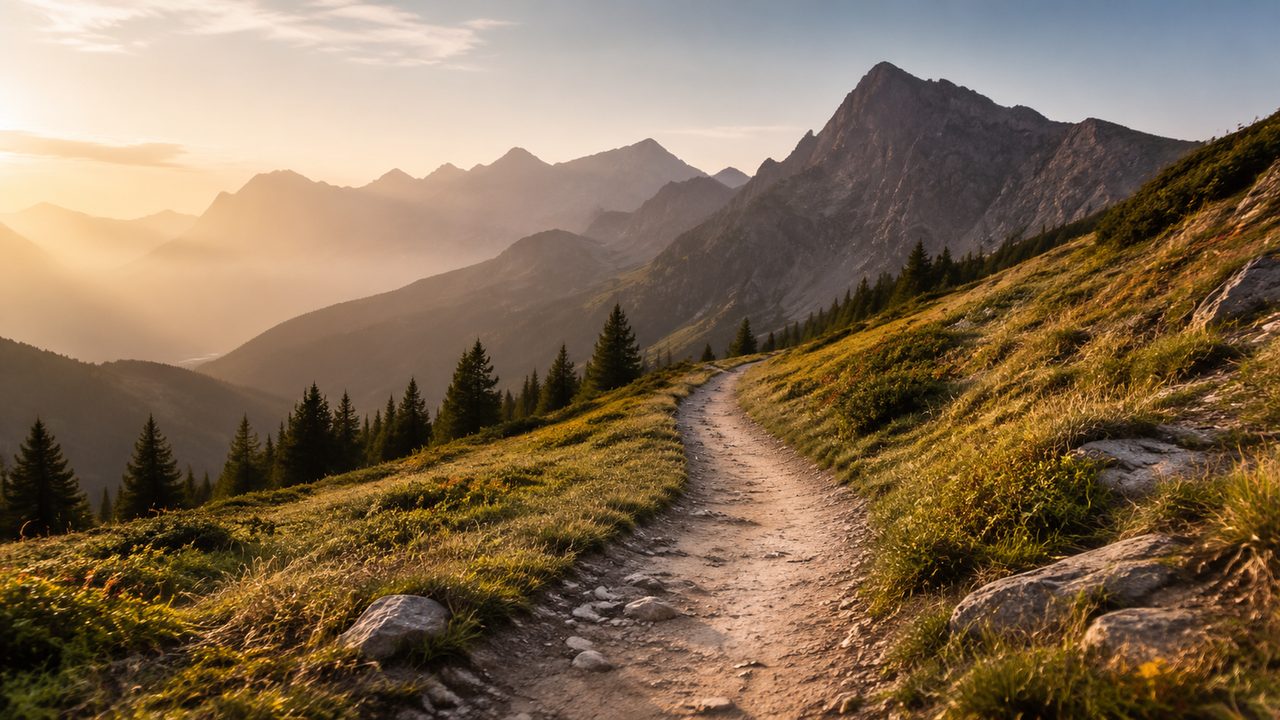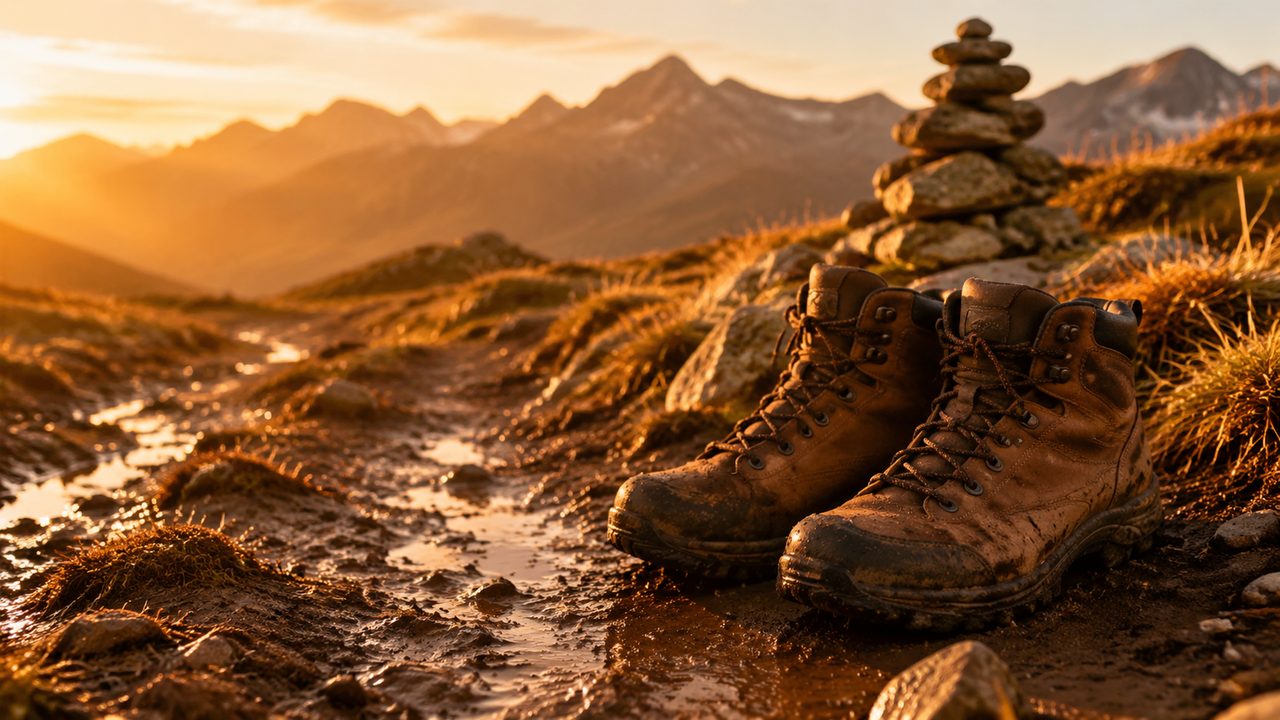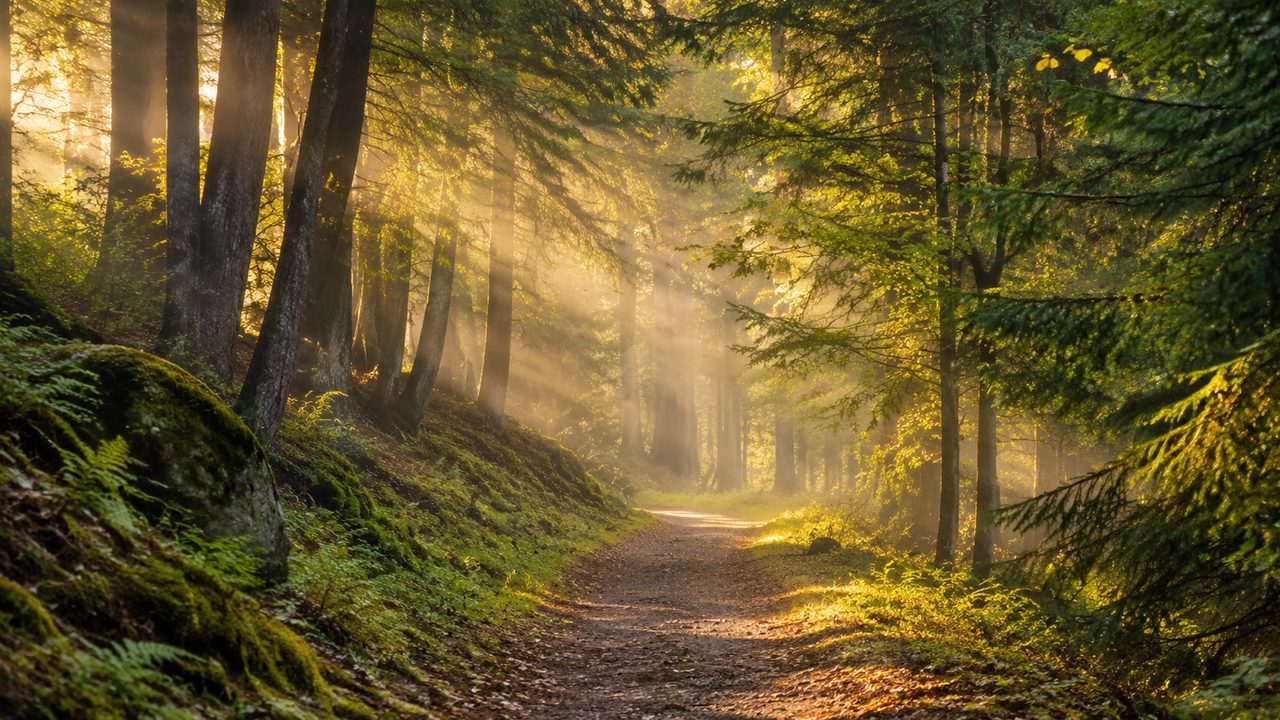
I used to start every walk with a podcast and end it with a playlist, the trail reduced to scenery between episodes. A month of walking without music or podcasts was not a resolution; it was an experiment in whether the silence had anything to offer. The honest first answer was no — the first days were boring, my pace felt flatter, and the hills felt longer. And then something shifted.
Why I stopped
The reasons were practical at first: earbuds fell out on rocky descents, I missed the sound of approaching mountain bikers on blind corners, and one expensive pair died in a rainstorm. But the real reason was attention. Every time the podcast ended and I reached for the next episode, I was choosing noise over the actual walk. The experiment was to stop choosing noise and see what was left — including the discomfort.
The boredom phase
The first few days were genuinely boring. Without the story, my mind looped over work, then over nothing, and the trail seemed slower. The boredom was the interesting part: it is the sound of your brain settling into a long task, the way it does in a queue or on a long drive. Rather than fight it with more stimulation, I let it run, and the loops slowly shortened. By day five the mind was quieter than it had been in years. The boredom was also useful: it surfaced the little worries and plans that headphones had been drowning out, and once they surfaced they were easy to let go.
Hearing the trail
Without earbuds, the trail came back as sound: the different timbre of boots on gravel, stone and wet wood; water moving in the valley before the path turned towards it; the alarm calls of birds that mark your approach long before you see them. It is not sentimental — the sounds are information. The warning click of a gate latch, the hum of a road ahead, the exact direction of the wind that tells you the weather is coming. A walk became a conversation with the place instead of a screening room.
Rhythm and pacing
The strangest change was pace. With no beat imposed from outside, my walking found its own rhythm, and it was faster and steadier than the one I had been walking to. Without the need to pause episodes at junctions, stops became deliberate instead of fumbled. I also noticed the body more: the breath on the climbs, the right knee on descents, the moment to eat. The walk was no longer something to get through between episodes; it was the event. There is a reason walking meditations exist: the repetition of footsteps is the oldest rhythm there is, and it anchors the mind without asking anything of it.
Other people
There is a social argument too. Walkers without headphones hear the hello, share the weather, and spot the family stopped ahead before they are upon them. On shared trails, music leaking from earbuds is a small social cost that everyone else pays. Walking without it made the trail feel like a shared place rather than a private one. If you must have sound, the compromise is one earbud out, volume low, and nothing at all on narrow single-track.
What I kept
I have not gone back to full silence on every walk; sometimes a long, dull climb genuinely wants a playlist, and walking with a friend is its own soundtrack. But the default changed. Music is now a deliberate choice on a flat, known path, and the walking itself — footsteps, weather, the sounds of the valley — is the background. The month taught me that the trail was never short of content. It was only short of my attention.