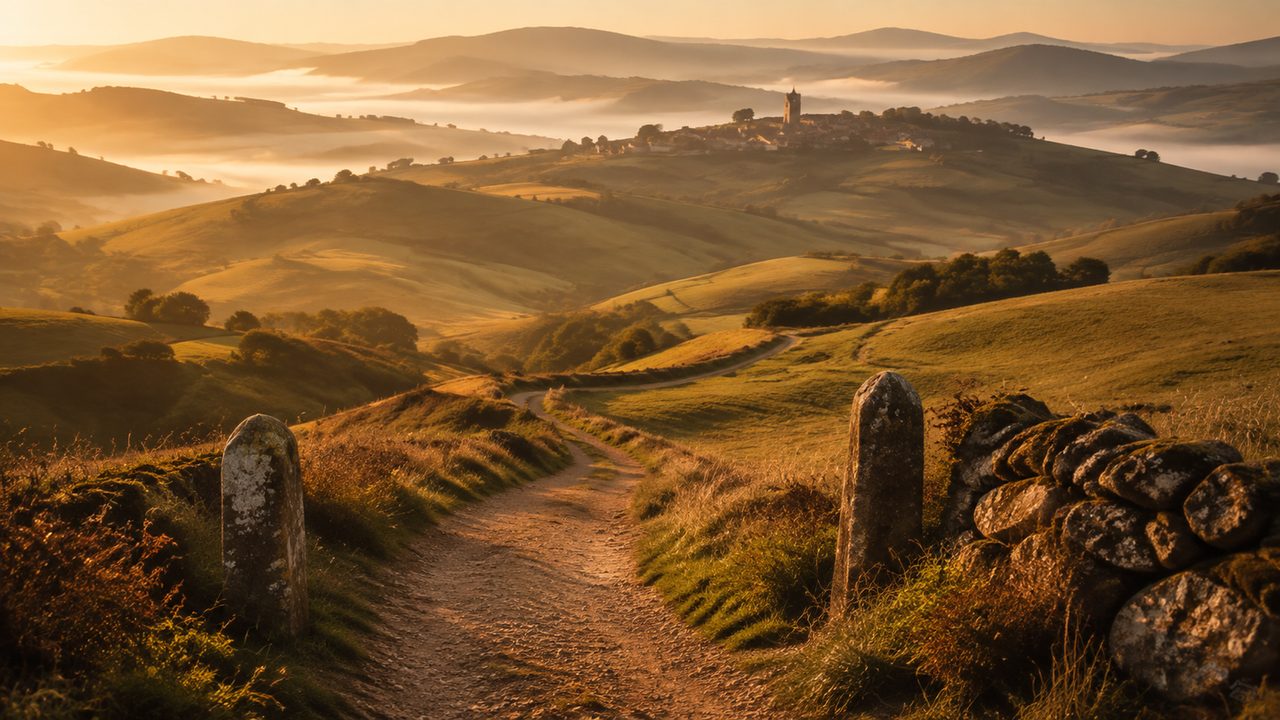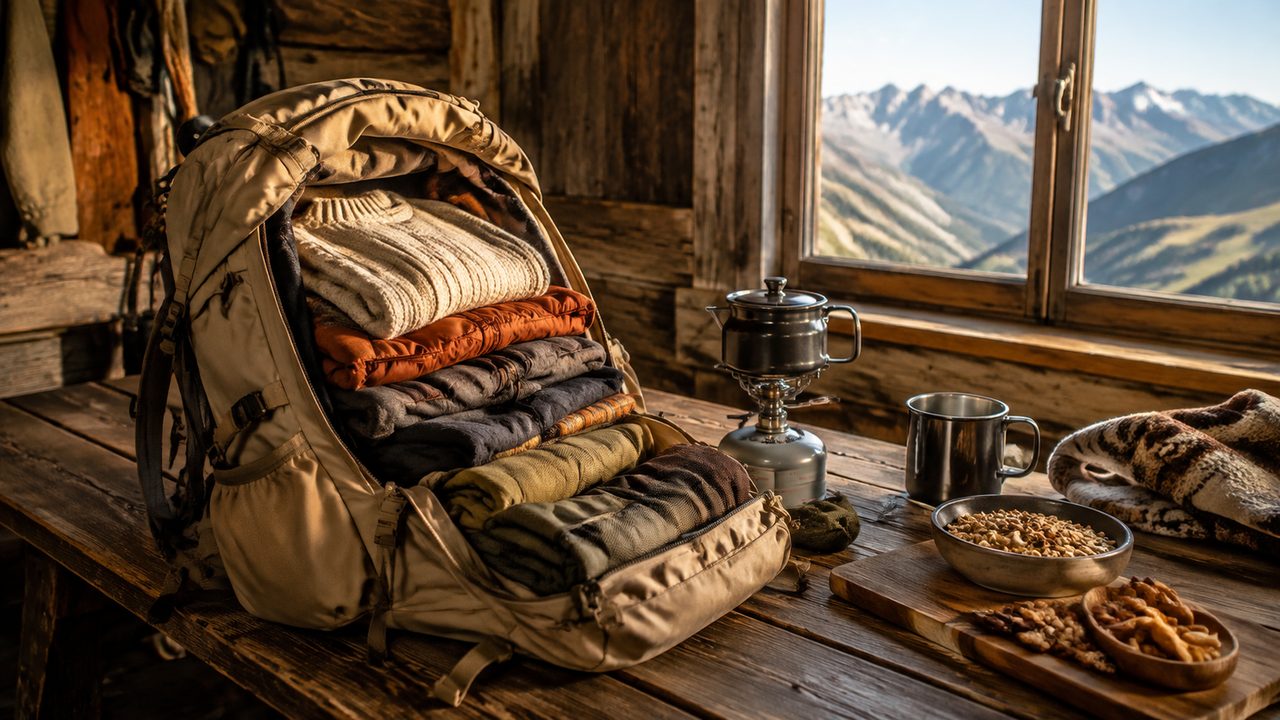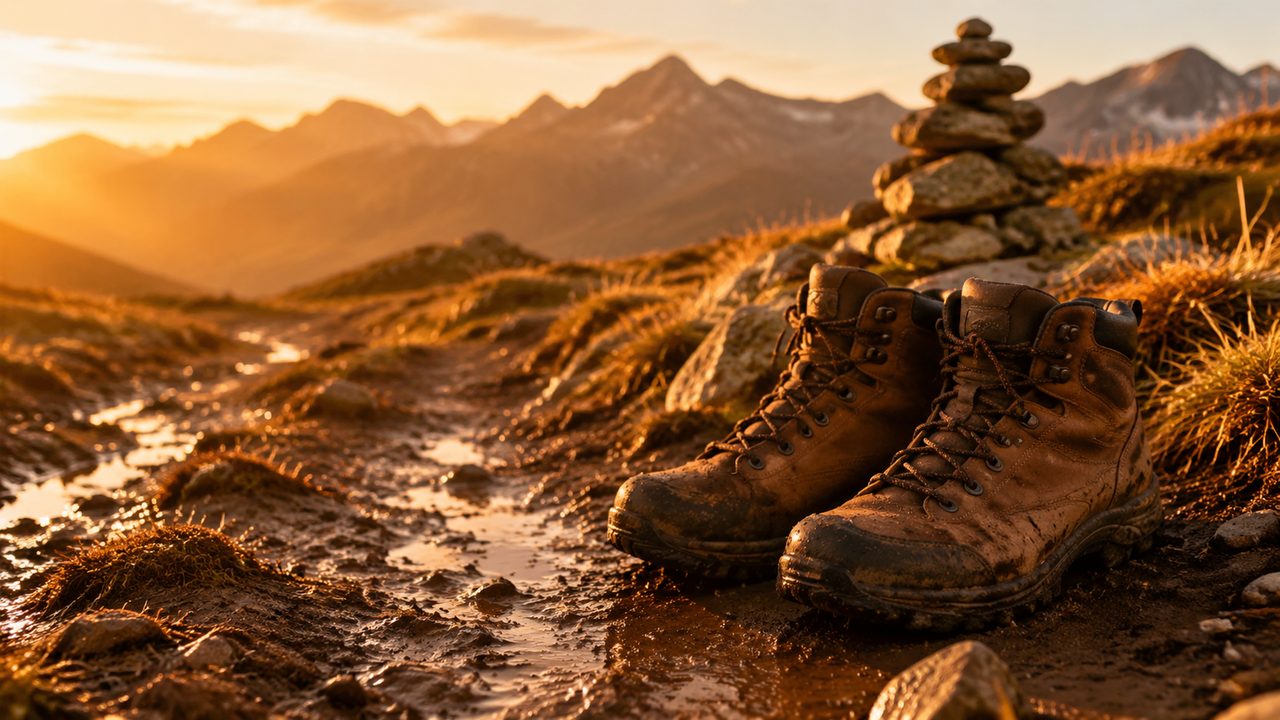
Most trail rules are written where you cannot miss them: at the car park, on the hut door, in eight languages on a laminated sign. The rules that actually keep a trail pleasant are different — nobody prints them, and everyone notices when they are broken. Here are the ten we wish someone had told us first, in the order you will need them.
Who goes first
1. Uphill hikers have the right of way. They have momentum and, usually, less breath; step aside and let them pass. On a steep climb, a downhill walker who gives way earns a nod that costs nothing.
2. Yield to horses, always. Step off the trail on the downhill side, speak calmly so the horse knows you are human, and do not move suddenly. Mountain bikers should also yield to hikers on most shared trails, though local custom varies — a friendly hello works everywhere.
3. Pass on the left where the trail allows, announce yourself with a cheerful "on your left", and give the person you pass a moment to step aside. Nobody enjoys being overtaken silently.
Staying on the path
4. Never cut switchbacks. The corner you cut becomes a braided scar of dead plants that widens every season, and on a mountain it starts real erosion. If you are tempted, remember the trail builders put the switchback there because the direct line is either dangerous or destroyed.
5. Walk through puddles, not around them. A muddy patch is a problem; a muddy patch with a detour on both sides is a widening wound. Wet boots dry, a braided path does not.
Dogs and wildlife
6. Keep dogs under control — on a leash where the sign says so, and always within sight on multi-use trails. Not everyone loves your dog, and a lunging dog ruins a day even when it means no harm. Pack out dog waste like your own.
7. Do not feed wildlife, and keep your distance from large animals — at least twenty-five metres from deer and moose, more for anything bigger. An animal that learns to beg for food becomes a danger to the next walker and usually ends up relocated or worse.
Leave nothing
8. Pack it in, pack it out — and that includes organic things. An orange peel takes months to break down in a cold forest and years at altitude; apple cores attract animals to the trail. If you carried the wrapper in, the wrapper goes out.
9. When nature calls, bury it 15–20 centimetres deep, at least 60 metres from water, trails and camps, and carry your toilet paper out in a sealed bag. In alpine huts and popular valleys the rules are stricter still — follow the local notice.
In the hut and at the campsite
10. The rule everyone forgets: boots off at the door, quiet after nine in the evening, and leave the bunkroom as you found it. Wash your own dishes, dry your gear only in the drying room, and sign the logbook — the wardens genuinely read it.
The one rule that covers the rest
Every rule above is a version of one sentence: leave the trail as if you were the first person to walk it. Greet the stranger, save the view for the next pair of eyes, and take nothing but the memory of the day. The trails that stay beautiful are the ones where that sentence is followed.
Walk long enough and you will break one of these rules by accident. The recovery is simple — apologise, step aside, pick it up. The mountain forgives; the next walker notices.