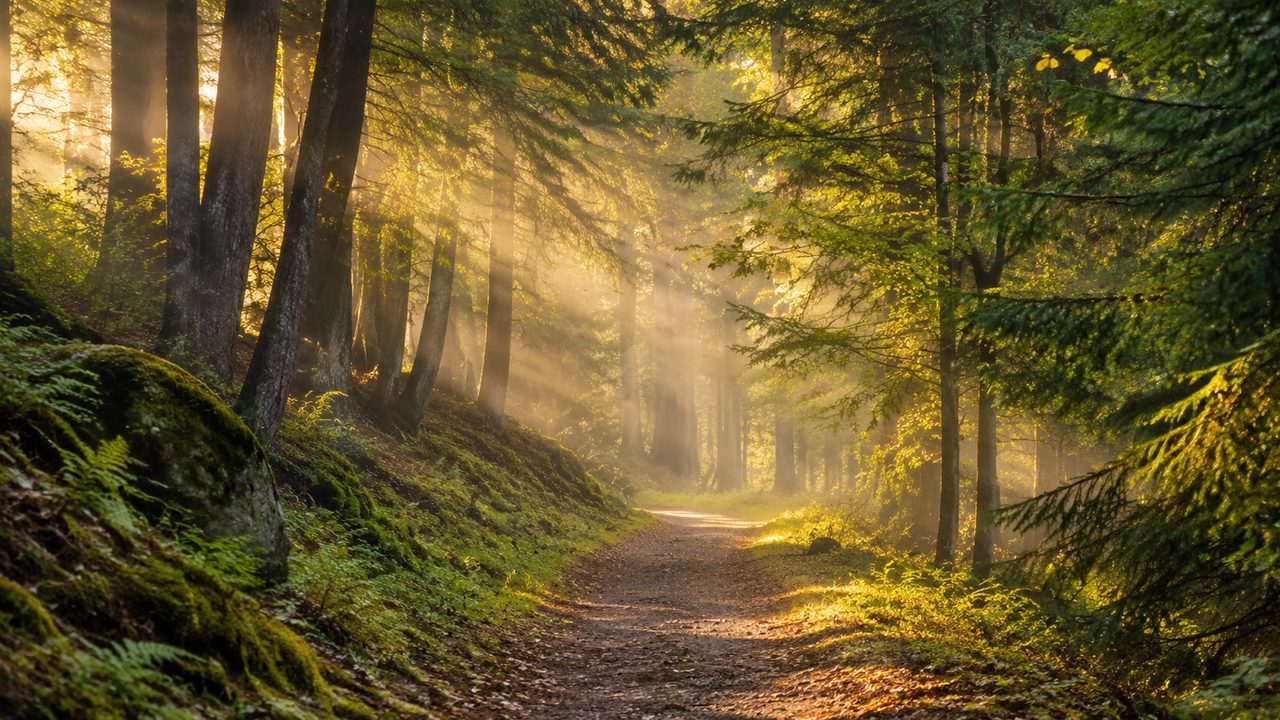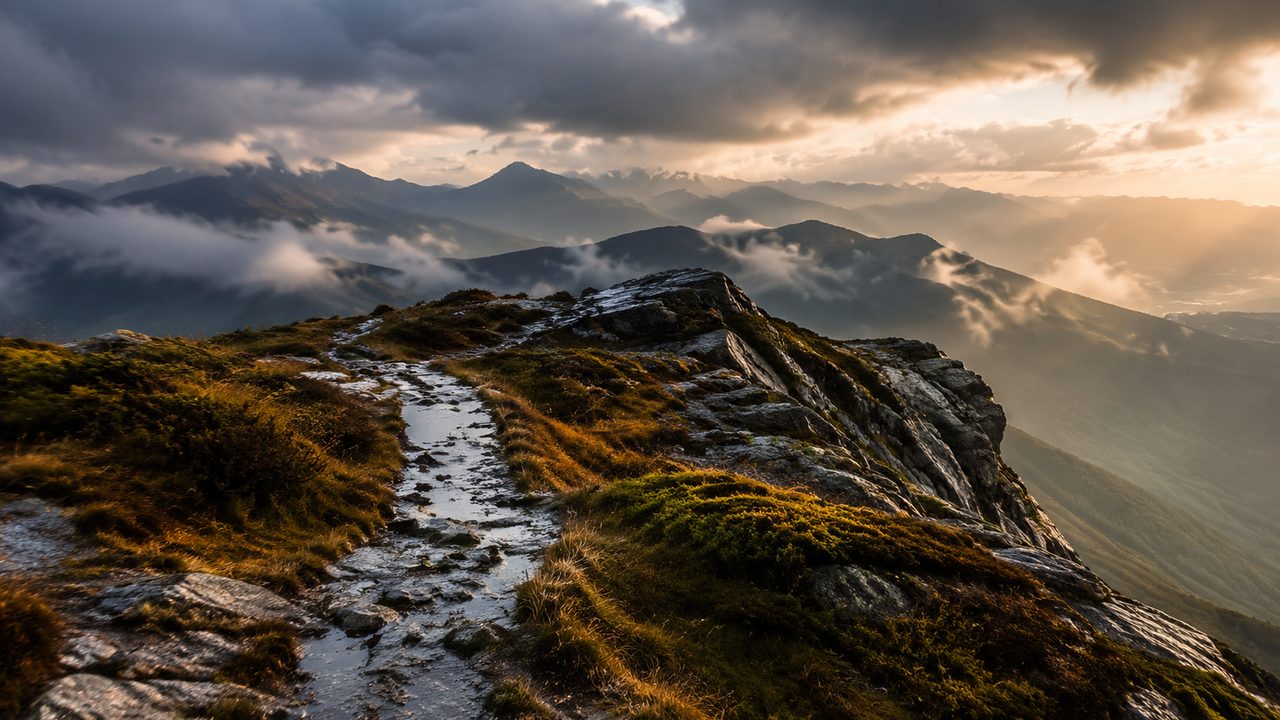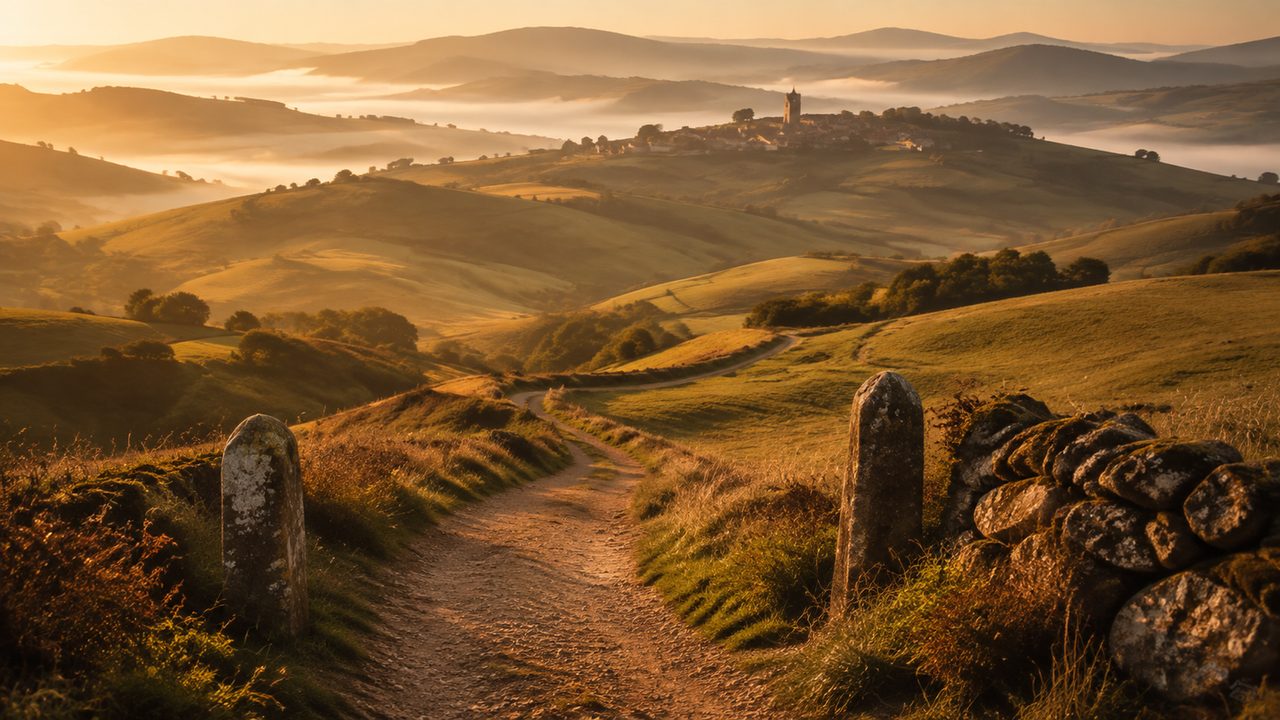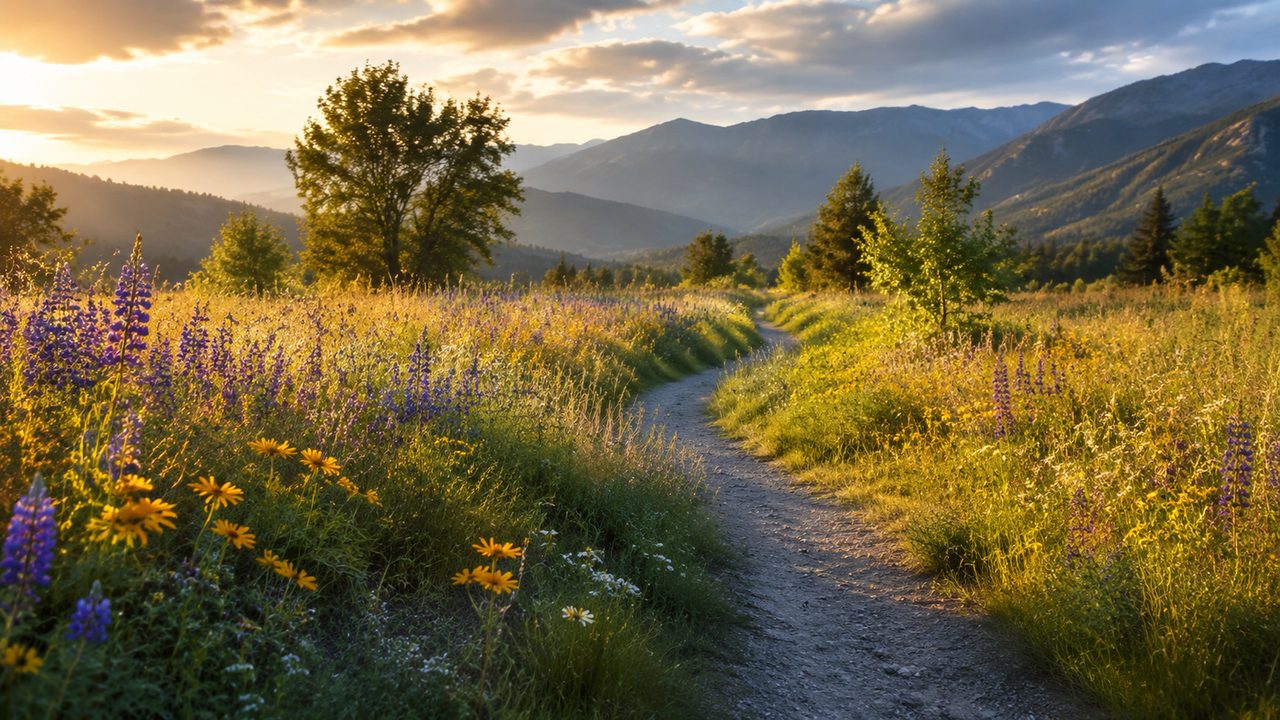
The impulse on any multi-day walk is to squeeze in the miles — the guidebook's long day, the urge to reach the next town, the fear that ten miles is somehow not a real day. After a decade of walking, the days I remember best are almost all the short ones. The ten-mile day is not a concession; it is a strategy, and it changes every part of a trip.
The pressure of the big day
The big day's appeal is obvious: it makes the map shrink faster, reaches the famous viewpoint sooner, and proves something. Its cost is hidden until the second half of the trip. A twenty-mile day with a pack takes it out of the legs for the day after — and the day after that. The classic multi-day trip unravels not on the hard day itself but on the third day, when the tiredness compounds and the walking turns into a chore. The miles you do not walk are the ones that keep the trip alive.
What ten miles buys
A ten-mile day with a reasonable start leaves a full afternoon free: time to stop at the lake, swim, take the side path to the viewpoint, or just sit and watch the light change. It leaves energy for the evening — the cards, the conversation, the food that is actually tasted. And it leaves the next morning with legs that work. Over a week, the difference between ten and sixteen miles a day is a few hours a day of living versus a few hours a day of grinding. The trip is longer on the calendar and richer in the memory.
The attention dividend
There is a real cognitive effect: a tired walker stops noticing. At ten miles the eyes stay open — the ridge line, the wildflowers, the bird on the fence, the change in the rock. At eighteen, the gaze narrows to the ground two metres ahead. The slow day also lets you walk without the clock, which is the difference between hiking and being on a route. We plan one deliberate no-watch day on every trip now, and it is always the one people quote back afterwards.
Company and camps
The ten-mile day is also the social day. Walking side by side with breath to talk, or walking apart and meeting at the lunch spot, is how the trip's stories are made. It lets a group of mixed fitness walk together without resentments, and it makes the camp the point rather than the recovery. The slow trip's camps are chosen for views and swimming, not just for distance, because you have the afternoon to reach them.
The logistics of slow
A ten-mile schedule changes the planning: you need more nights, which means more huts, campsites or wild spots, and that can cost more in accommodation and carry more in food. The answer is to simplify the trip — a shorter total route, a base with day loops, or one rest day built in. Many of the best slow trips are not linear walks at all but a single valley and its side glens, walked shallowly and repeatedly. The map does not have to be consumed to be enjoyed.
Trying it
You do not have to commit a whole week. Take the next day walk and deliberately slow it: stop at every viewpoint, swim at every lake, and finish early enough to feel the anticlimax of arriving before you are tired. The first slow day feels luxurious and faintly guilty; the second feels normal; the third is when you notice you are walking with your eyes up. The ten-mile day is not for every trip — some routes demand the long stage. But as a default, it is the most underrated idea in walking.