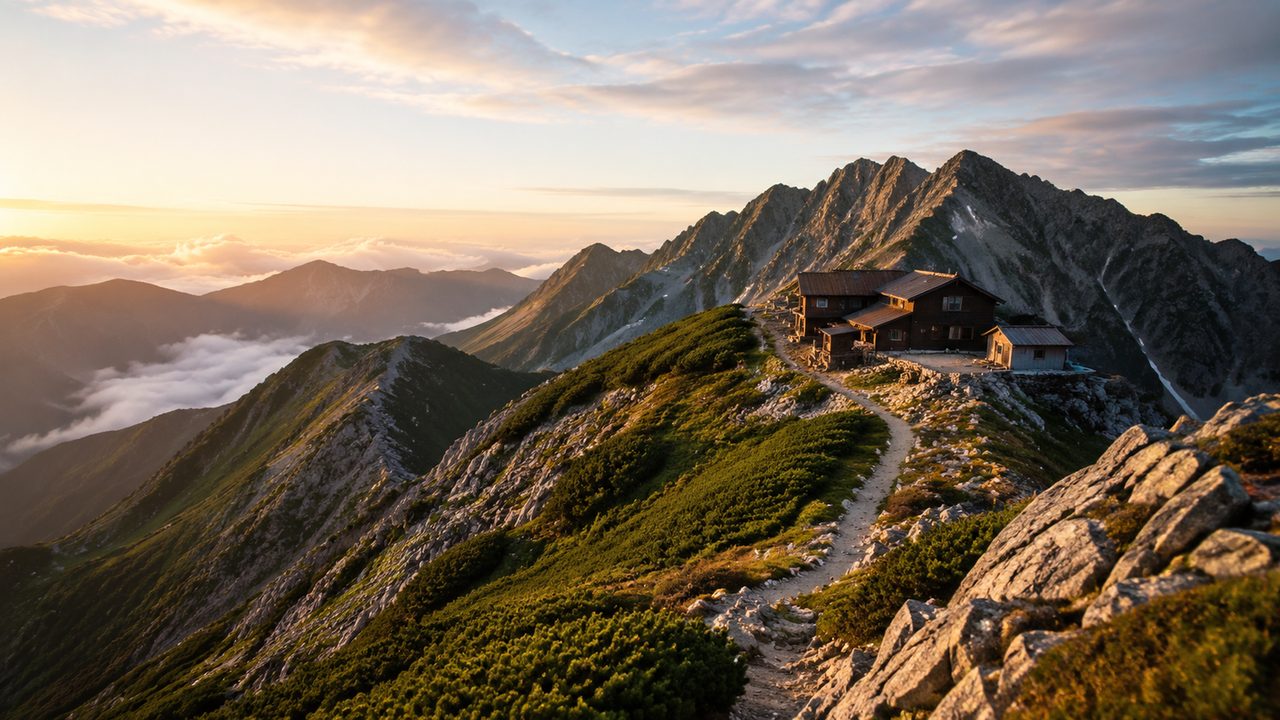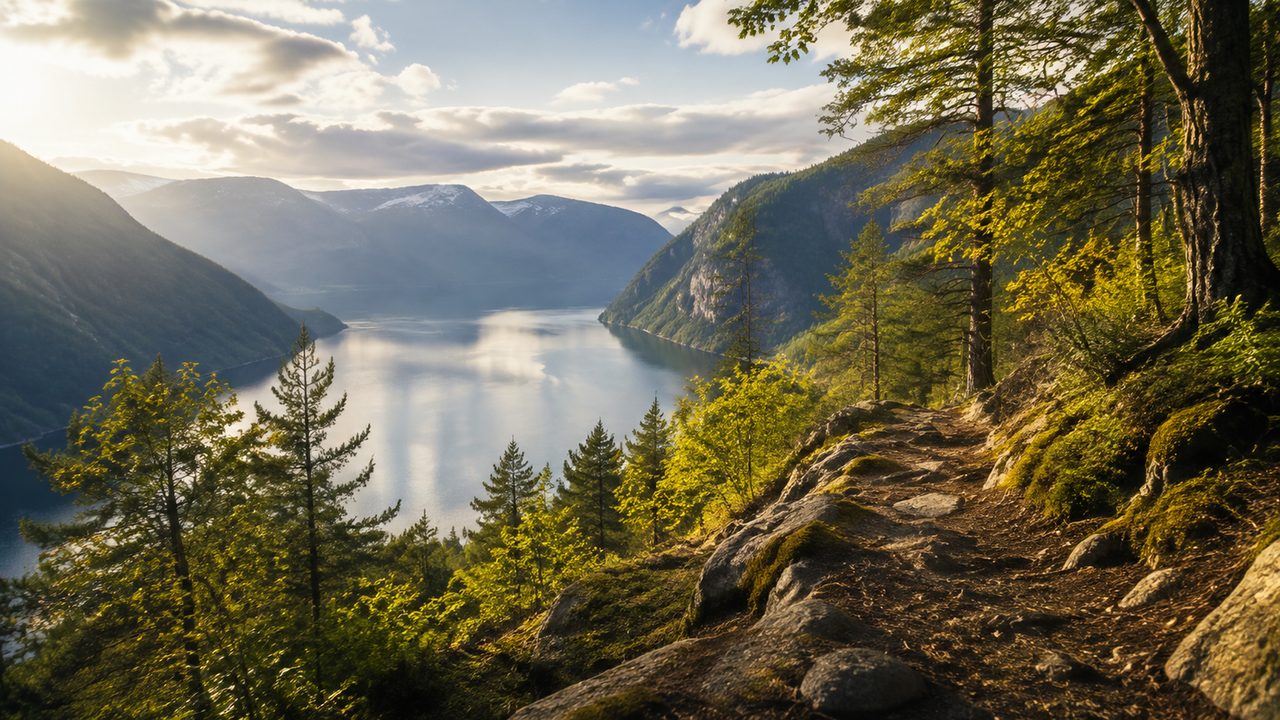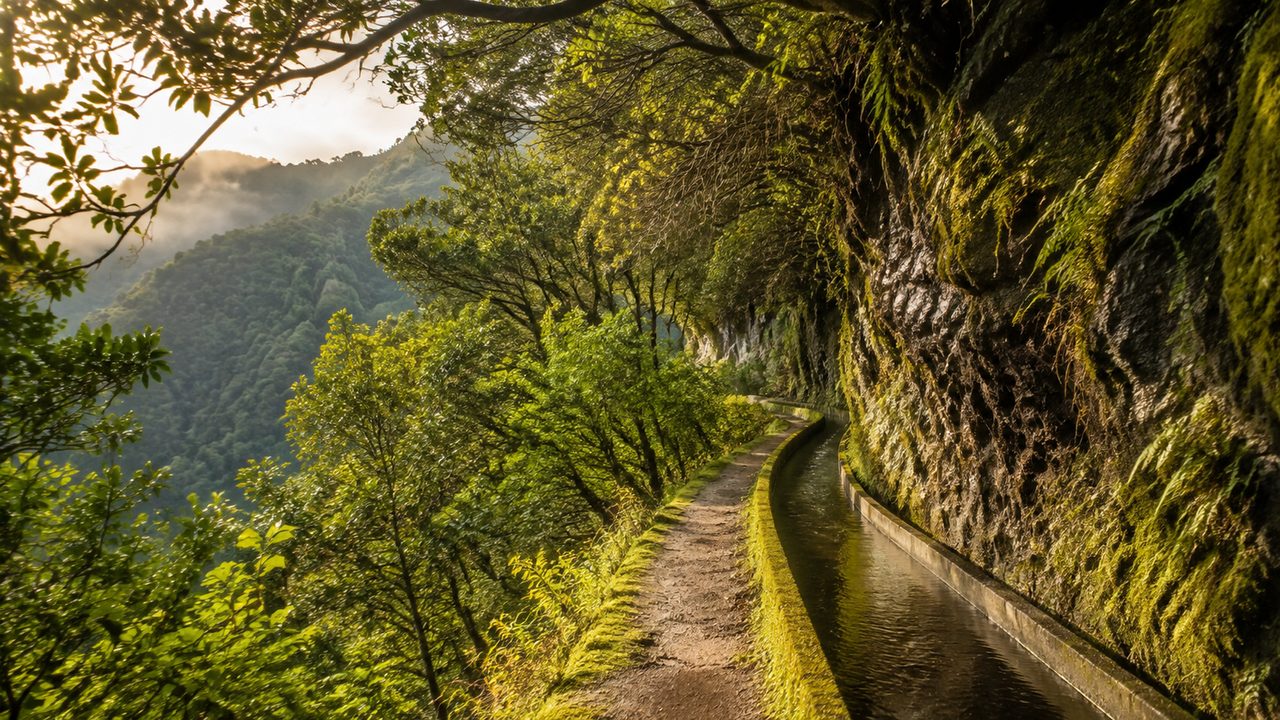
Madeira's levadas — narrow irrigation channels built to carry water from the wet north to the dry south — double as one of Europe's most unusual trail networks. Alongside them run paths of concrete, stone and packed earth, often through laurisilva forest and sometimes on the face of a cliff. There are hundreds of kilometres of them, from flat balcony walks to tunnel-pierced epics, which means the choice of levada matters more than the choice of boots.
What a levada is
The channels date from the sixteenth century, when settlers began diverting the island's rainfall across the mountains; by the twentieth century there were thousands of kilometres of them. Walking them became official recreation only recently, and the regional government now maintains a network of PR and Vereda routes along the channels. The levadas are still working infrastructure — the water still flows — which means the paths are real maintenance routes: solidly built, occasionally narrow, and always with a channel of fast water on one side.
The easy classics
The most accessible levada walk is the Vereda dos Balcões, an hour's gentle stroll from Ribeiro Frio to a balcony viewpoint over the deep green valley of Faial — paved, short and open to everyone. Nearby, the Levada do Furado runs from Ribeiro Frio towards Portela through laurisilva forest with occasional glimpses of the coast; about 11 kilometres one way with a minibus return. Both are doable in trainers, take under three hours, and give the full Madeira experience without any exposure. Start these early in the day, when the forest is still in cloud.
The cliff walks
For the famous views you walk the Levada do Caldeirão Verde, which begins in the Queimadas forest park and ends at a waterfall-fed pool at the Caldeirão Verde. The path is the one in every photo: a concrete ledge cut into a sheer cliff with a drop to the valley below. It is 6.5 kilometres each way with several tunnels (bring a torch), and the drops are real — this is a path for steady heads. The twin Levada do Caldeirão do Inferno goes further to an even wilder amphitheatre. Neither is technical, but both punish carelessness.
Tunnels and torches
Many of the cliff levadas were blasted through the rock, and the tunnels range from a few metres to hundreds. Some are lit, most are not, and they leak — expect wet walls, ankle-deep water in places and complete darkness. A headlamp per person, not a phone torch, is the essential item, plus a dry bag for the camera. The tunnels are also cold; a light layer that lives in the pack pays for itself in the first one. In rain, the tunnels stay dry while the open sections turn slippery — carry poles if you have them.
Weather and footwear
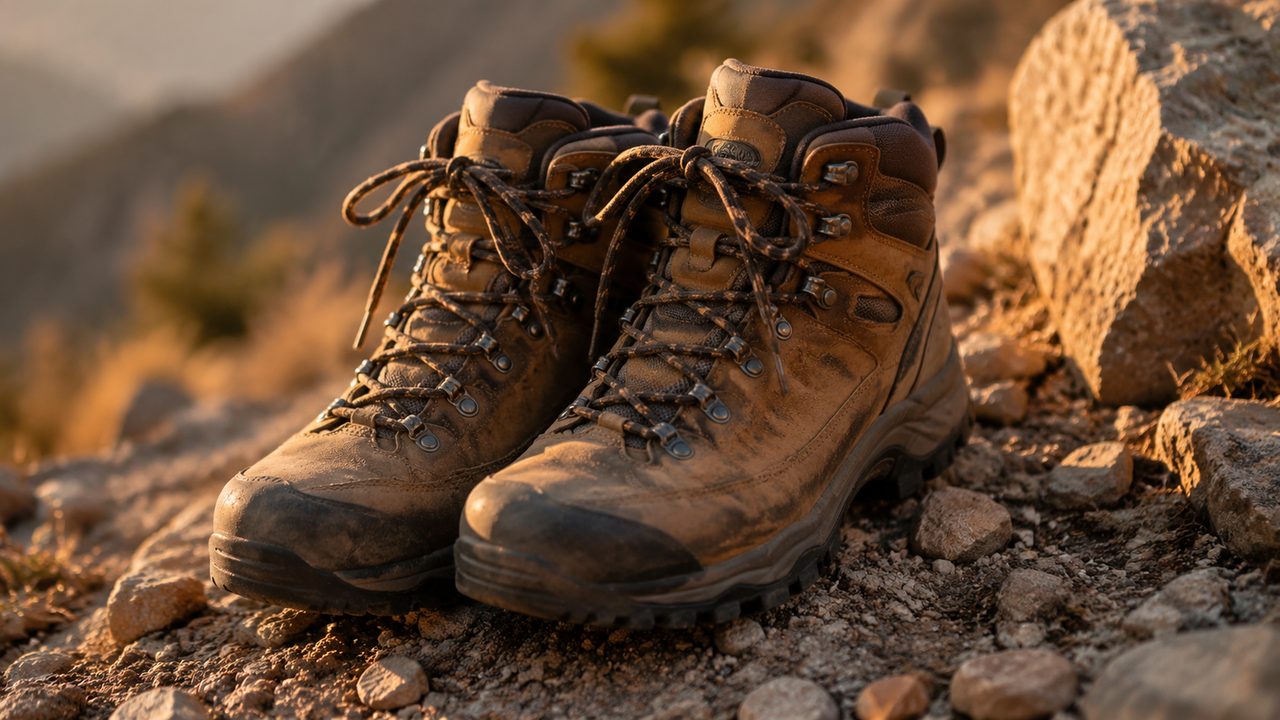
Madeira's north is wet and cloud-covered while the south bakes, and the levadas are mostly in the wet, forested middle. Expect the famous horizontal rain at any season; a proper waterproof jacket and non-cotton layers matter more than sun protection, even in summer. Footwear is the second decision: trainers for the flat channels, boots for anything with Verde in the name. The concrete paths get treacherous when wet, and wet they will be. Socks are the third decision — take two pairs.
Planning the day
Most levada trailheads are 45–90 minutes from Funchal by car or by the local buses that serve the mountain villages; the official route signs list distances and times. A common rhythm: drive or bus up early, walk while the cloud lifts, and be back at the car by mid-afternoon before the weather turns. The island's official tourism site publishes current trail status — closed routes after storms are a real thing, and the cliff paths close faster than the forest ones. With a little planning, the levadas give you a different kind of mountain walking: wet, green and unlike anywhere else.