There is no bad way to reach Machu Picchu, but there is a wrong way for you. The Inca Trail is the famous one: four days on original stone paving, with a permit system that limits numbers and a price to match. The Salkantay Trek is the popular alternative: five days over a 4,600-metre pass, camping in the mountains, ending at the same gate. Both work. They are different trips, and the choice should be about how you like to walk.
The Inca Trail: a licensed procession
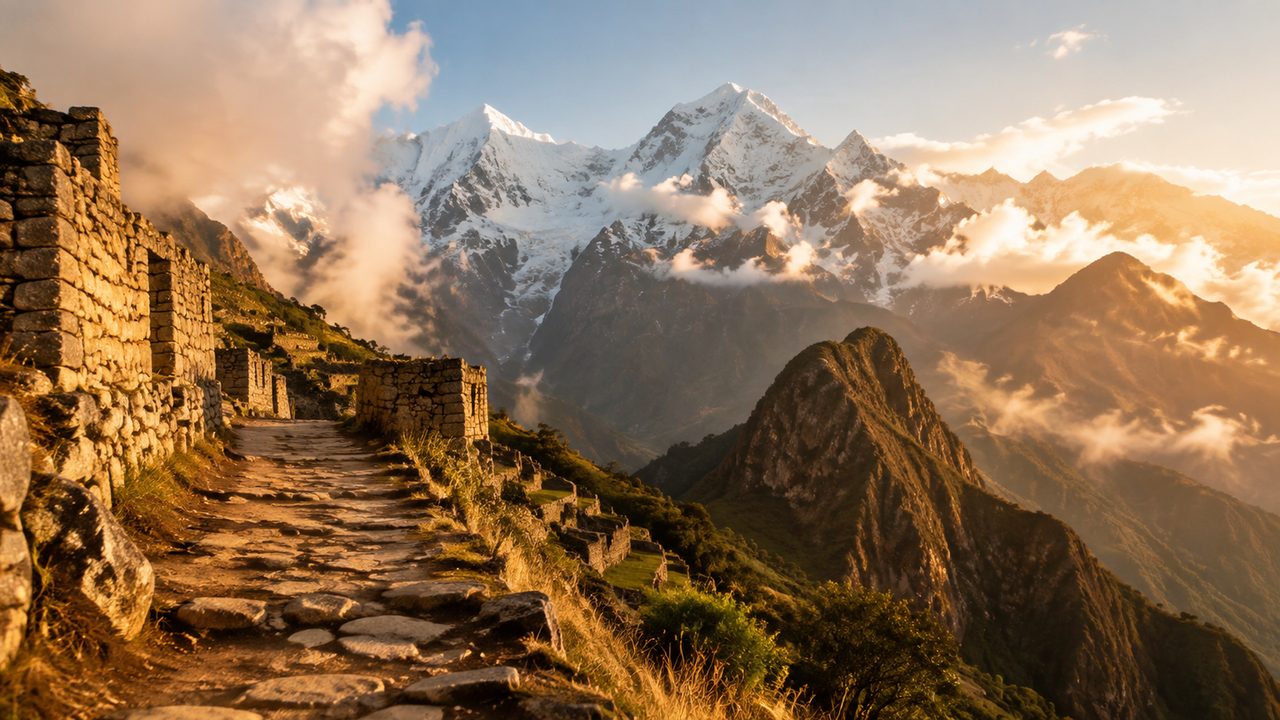
The classic Inca Trail covers about 43 kilometres (27 miles) from km 82 to Machu Picchu, reaching its high point at Dead Woman's Pass (4,215 metres) on day two. You walk on original Inca paving for much of the route, past the ruins of Wiñay Wayna and into the cloud forest. Permits are capped at 500 people a day including guides and porters, so the trail is managed, staffed and surprisingly civilised. The catch is booking: permits sell out months ahead, especially in the June–August season, and the trek is the more expensive of the two.
The Salkantay: a mountain traverse
The Salkantay Trek runs about 70 kilometres (43 miles) from Mollepata, crossing a 4,600-metre pass beneath the Salkantay glacier before dropping through cloud forest to Santa Teresa and the train line to Aguas Calientes. It is longer, higher and rougher than the Inca Trail, with camping every night and far fewer people until the last day. The pass is the hardest single climb in this comparison, and the descent into the forest is wet and steep. Its rewards are the glacier views and a genuine sense of crossing country, not following a monument.
Permits and booking windows
The Inca Trail has a hard daily quota and a fixed season: it closes every February for maintenance, and the best months book out two to three months ahead. You must go with a licensed agency — solo walking is not permitted — and your permit is tied to your passport. The Salkantay needs no trail permit; you can join a group or walk it independently with your own camping gear, though most people take a guide. If your dates are flexible, the Salkantay is the route that forgives late planning. In practice this means deciding in February if you want July: set an alarm for the day the permits open, because the quota for the famous dates goes in hours.
Altitude: the real factor
Both routes sleep above 3,000 metres, and the Salkantay pass at 4,600 metres is higher than anything on the Inca Trail. Spend at least two days in Cusco (3,400 metres) before you start, drink more water than feels reasonable, and take the first day gently. Coca tea and altitude pills are widely available; neither replaces acclimatisation. If the pass worries you, the Inca Trail's lower profile and porter support make it the safer first choice.
What you pay and what you get
A standard Inca Trail package runs roughly 550–750 USD including permits, guide, porters, food and camping, with the price rising for better tents and hotels in Cusco. The Salkantay with an agency costs about 250–450 USD; independently, you pay for food, camping and the train from Aguas Calientes — often under 150 USD all-in. The Inca Trail's extra cost buys infrastructure: proper campsites, toilet stops and porters who carry the tent. The Salkantay's lower price buys adventure and a longer, wilder walk.
The decision
Choose the Inca Trail if the archaeology is the point, if you want the classic photographs, and if you can book early. Choose the Salkantay if you prefer mountains to ruins, want to camp properly, or are planning late. Many people do the Salkantay first and book the Inca Trail for the next visit. Either way, arrive at Machu Picchu early and stay late: the site is quietest at opening and after the day-trippers leave. And whatever your route, the 3 a.m. start is part of the deal: the gate queues are shorter, and the ruins look their best in the first light.